The author of ‘A Man and his Pride’ shares his coming out story, and dissects the difference between coming out and finding your pride.
“I could just see myself as one of these men who was closeted in their forties and married.
Author Luke Rutledge, who has just released his debut novel A Man and his Pride, can’t put his finger on why he stayed in the closet until he was 23 years old. But he knew he had to come out. “That thought just kind of terrified me above, above anything else. So that’s when I finally came out,” Luke shares on the first episode of a new season of OUTcast.
The Australian author, who is based in Brisbane, discusses the inspiration behind his debut novel – described author John Boyne as “the literary equivalent of spending a night in a club, dancing all your blues away, and waking the next morning with a smile on your face and a stranger in your bed – as well as telling us what it was like to live in Australia during the 2017 marriage equality plebiscite, why World Pride Sydney is such a great thing for representation in Australia, and what gives him hope as an LGBTQ+ person today.
Rosie P 00:00:05 Welcome to OUTcast, the podcast where we catch up with some of the most engaging, courageous, and inspiring LGBTQ+ people from all over the world. We ask our lesbian, gay, bisexual, trans, and queer guests where their coming out journeys began, what they’ve gone through along the way – the joy and the pain, but we promise there will be more joy – and what gives them hope. I’ll be interviewing people from all walks of life, from hardworking queer people behind the scenes to more familiar faces you might have never known even had the coming out stories that they’re about to share. You can follow us on social media, at @OUTcastLGBT, and you can find us online at outcastpod.com.
For the final episode of Season 2, I couldn’t be more delighted to be welcoming Rosie Jones to the podcast.
Rosie is a comedian, writer and actor who has appeared in comedy programmes like 8 Out of 10 Cats, and BBC Radio 4’s The News Quiz, as well as her own Channel 4 show, Trip Hazard: My Great British Adventure. It was shot during the pandemic, and it really helped to get us through the murky, nearly post-lockdown, uncertain world of Spring 2021 in the UK.
Rosie has written for Harry Hill’s Alien Fun Capsule, Would I Lie to You? and 8 Out of 10 Cats Does Countdown, and she’s also the author of the children’s book, The Amazing Edie Eckhart, which is about a girl who’s amazing, and just happens to have cerebral palsy. Just like Rosie.
Rosie has said: “When I was little, I loved reading, but in every book, all the characters were able-bodied. There was nobody disabled, like me. And that’s why I created Edie.”
Rosie’s also a standup comedian who’s appeared at Edinburgh Festival Fringe and on Live At The Apollo, and she makes brilliant observations about being disabled, and being a woman, and… being northern. She’s described herself as a triple threat and frankly she’s that and much, much more.
Welcome to the podcast, Rosie Jones!
Rosie J 00:02:17 Thank you for inviting me. I mean, talking about coming out and being gay is my favourite thing, so I’m so excited to be here.
Rosie P 00:02:38 Such an incredible honour to have you on, so thank you. Where does your coming out story begin?
Rosie J 00:02:47 It’s a big one! I reckon it starts from my first gay thought. And my first gay thought was, ‘I like that lady, but
I don’t know why I want to kiss her, like boys kiss girls.’ was four years old. And then, over time, over school, I had similar thoughts of, ‘Oh, I really like Lois Lane. I really to hang out with her, like Superman hangs out with her. And don’t know why.’ And I had a big crush on Rachel from Friends.
Rosie J 00:04:08 But I put those to the back of my head for several reasons. Firstly, I grew up in a seaside town in Yorkshire in the 90s that, in hind sight, they were quite small-minded and the term ‘gay’ and the term ‘lesbian’ were banded around as insults. So I remember thinking, ‘I don’t want to be a lesbian because I think that’s a bad thing.’ But mainly I didn’t come out because I was disabled. I remember when I was 16, Googling ‘Can you be disabled and gay?’ Google did not help me with that question! So I literally believed the internet more than I believed my own head and my own heart. And I thought, ‘well, nothing on the internet is telling me that I’m a real person, so I guess I’m wrong.’
Rosie J 00:06:12 And then a side note that you need to know about my personality is that I am a psychopath. When I like someone, I like them for years, and I don’t tell them. So in my teenage years I would have these four-year crushes on girls, but never tell them, and I’d always justify it by going, ‘oh, I’m straight, but they’re the exception. I don’t like girls apart from her… and her… and her!’ That’s it, that’s it. I guess it was in my early twenties, moving to London, meeting a group of brilliant diverse people who worked in TV and theatre, and it was only when I was 26 that I thought, ‘maybe, just maybe, Google is wrong and maybe I’m not making exceptions for girls; maybe girls are the rule.’ And it was black and white for me then. I sat down and thought, ‘name a man you’ve fancied in your twenties.’ And I went, ‘mmmmm, uuuuuh… right, okay, I’m gay.’ And then, like you must, I would talk about it a million times, and that was probably the moment when I came out to myself, at 26. But then, over the course of three-four years, I came out to various people. And everyone was great, and actually most people said, ‘Yeah? Yeah, we knew!’ So I guess the person that took the longest to come out to, and to accept, was myself.
Rosie P 00:10:06 Mmm hmm, which I think so many listeners would relate to. I mean, coming out to yourself’s such a big part of it. And I love how you put that you were like, ‘oh, you know, maybe this is one girl I fancied, it’s just an exception.’ Next one: ‘it’s just an exception.’ I can relate to that!
Rosie J 00:10:26 Yeah, yeah. And it’s something that I’m dealing with recently, because I think I had to justify it. And I had to say, “it’s an exception” because I was dealing with a lot of, probably, internalised homophobia from growing up in Yorkshire in the 90s. And for ages I would go, “I’m not a lesbian. I’ve got long hair. I wear dresses. I’m not angry. I’m not a PE teacher!” And then just had to undo all these stereotypes that I had grown up with and it hit me when I was like, “Oh, I like women. I fancy women. But I don’t need to fundamentally change what I look like. Like, this is what a gay person looks like.” But even now, when somebody says to me, “are you a lesbian?” my gut reaction is to go, “No, I’m gay.” And I would identify myself as gay because I think I’m dealing with a lot of negative connotations that come with the word ‘lesbian’.
Rosie P 00:13:12 I’ve thought about this a lot, and I’ve had guests say a similar thing, that often they’ll say ‘gay’ and that lesbian’s got… you know, it’s wrapped up in the patriarchy, it’s got so many negative connotations, like Yeah, the patriarchy is kind of to blame because I think lesbian is to be the ultimate rejecter of the patriarchy. So they made us so, like, angry and things. So I felt so similar and I’m only just beginning to try and say “lesbian” as much as possible to try and make it more comfortable. But it’s really, it’s still jarring sometimes.
Rosie J 00:13:48 Yeah. Yeah. I’m still fighting that little homophobic voice in my head, going “no you’re not, because that’s a bad thing.”
Rosie P 00:14:09 Yeah. It just shows how powerful representation is. You talk about Googling, essentially yourself, when you were young, disabled, and a lesbian, or disabled and gay. And you’re not there. You’re not on Google. You are now, which is great!
Rosie J 00:14:25 Hopefully if someone ever Googles “Can you be disabled and gay?” this face pops up with me going, “Yeah, you absolutely can!”
Rosie J 00:15:03 There’s a million things we can talk about, but also before we move on, I think I also have a problem with the word ‘lesbian’ because it can go the other way, because ‘lesbian’ is a word that is used a lot in porn. So, I feel like it’s connected to, like, heterosexual men and lesbians being over-sexualised and I’ve definitely had straight men say to me, “are you a lesbian?” like they are suddenly seeing me in a sexual way and thinking about what I do in bed. And that makes me incredibly uncomfortable. So it’s so bizarre that one word can, as you said, conjure up an image of something scary, or anti-men, or the exact opposite of highly-sexualised, and doing something for the pleasure of men. And then, like, I’m none of those definitions. I love men so much! Nearly all my friends are men, I love men so much. Do I want them to know what I do in the bedroom, or even think about it? Absolutely not, because it’s not for them. So that’s why I’ve got such a problem with that word. And, like you, I’m trying to reclaim it, but it’s, yeah, it’s a lot of undoing.
Rosie P 00:18:19 Yeah, it really is. And it really is the most loaded word. I agree. I think many of us have been there having conversations with men and how it’s not for them – it just makes it, yeah, incredibly uncomfortable. Let’s talk about how being disabled intersected with being a lesbian when you were coming out and obviously, does now. You’ve touched on it already so eloquently, but how has it affected the sort of timing as you’ve come out?
Rosie J 00:18:53 Again, you’re talking to me at a very interesting point in my life. I’ve been disabled all my life. When I walk into a room, everyone knows that I’m disabled, from the way I walk and the way I talk. I literally wear my disability on my sleeves, on my legs, and on my mouth. So, it was interesting then coming out as gay, because that is something that I don’t wear on my sleeve, and I’m quite feminine. I think if I met a stranger they would say immediately, “she’s disabled” but they wouldn’t neccessarily know that I’m gay. So it was interesting for me to go, “Here’s something else! Here’s a different box that I tick.” And never in a “woe is me” way, but definitely growing up, and because of the media, disabled people were always portrayed as victims, and angelic creatures, and never having sex, never in a relationship, and God forbid, I never saw a disabled person in the media get married, or have a happy ever after. So, even into my twenties, even when I was having more and more gay thoughts, I thought, ‘well, there’s no point coming out, because that is something that I’ll never act on and I’ll never meet anyone who sees me in that way.’ So, for a few years, even when I came out to myself, I thought, ‘what’s the point [in] telling people about a hypothetical concept that I’ll never act on?’ But then I started comedy, and I thought back to the lack of representation I had growing up, and I felt it important to start talking about my sexuality, even though probably behind closed doors I wasn’t acting on it. And it was only recently that I really gained in confidence and I’ve started dating, and putting myself out there. But that took a process, and exactly like my coming out story, even when I came out, there was a part of my brain that was still going, “I fancy women, but women won’t fancy you, because you’ve got cerebral palsy.” Because I never saw a sexulity active or sexy
disabled person portrayed in the media. And again, if you don’t see it, if you can’t Google it, it takes a long time to believe that you can do it. And I’m pleased to say, we got the happy ending! I’m dating, shagging, I’m very happy.
Rosie J 00:25:19 But I’m 31 and I’m not there yet. It’s an ongoing process, but because I never saw myself anywhere.
Rosie P 00:25:45 Absolutely. It’s interesting to me that your comedy – talking about being out in your comedy – came first before acting on it.
Rosie J 00:25:54 Yeah. Yeah. Completely. And it’s interesting I can talk about it now, because in my comedy I would sometimes be quite sexual, and I’d make a point of going, “Hey, I’m disabled, but disabled people shag, they have boyfriends, girlfriends,” and I was saying that because I believed it as a whole, but yet for me, my insecurity took longer, and I couldn’t say on stage, “Hey, disabled people have sex, but I’m not.” Because I knew that my story wasn’t the story of all disabled people, so I decided to own it, and just promote it, probably a few years before I believed it, and acted on it myself.
Rosie P 00:27:45 Mmm hmm. It feels like your heart or your soul was sort of trying to drag the rest of your experience with where you knew you were going to go. It was like you were trying to sort of pull yourself out of the closet, almost. What strikes me as well, and it’s a bit overwhelming, actually, is the thought that there would have been people that would have seen your standup, and heard your comedy, and really seen themselves in you. And you probably, you know, you knew you were doing that incredible work. So yeah, it’s incredible to think about really.
Rosie J 00:28:19 That’s it, yeah, because I don’t feel like I was a fraud, because I believed it and my brain knew that I’d get there, and be having sex and dating, like all other disabled people, but yeah, it took my heart and my soul a bit longer to really believe what my head and my comedy was saying.
Rosie P 00:29:10 Yeah.
Rosie J 00:29:28 It’s interesting, I think I would have got there eventually but I think what was a catalyst was a) turning 30, and b) the pandemic, just gave me time to really sit in it, believe it. And, like, I never feel sorry for myself, but yeah, when I turned 30 and sat down and I thought, ‘you’ve never been in a relationship. Why is that?’ and that awful, probably the same homophobic voice in my head, who was also a little bit ableist
went, ‘You’re not worthy of love.’ And I really sat in that and rationalised it, and then I thought, ‘You are! Like, you’re a successful, funny, independent woman. You’re surrounded by amazing friends, you are. You absolutely are.’ And I think, luckily, coming out of lockdown, everyone was horny, and dating, so that really helped the situation! But, yeah, for me it was just dealing with that little voice and going, ‘that’s what’s been stopping me. Are they right? No. No they’re bloody not!’
Rosie P 00:32:14 Mmm hmm. If there’s anyone listening that has a voice in their head like that, what would you say to them?
Rosie J 00:32:22 Don’t get angry. Like, I lived with that voice for 30 years and I don’t think that voice will ever go away, and it probably says something stupid to me every other day, so I think to some extent everyone has it. You’ve got to live with it, you’ve got to believe that they’re not right. Rationalise that voice, and if you need to talk to someone, talk, but never beat yourself up for having it there. You’ve just got to make sure that you have other more positive voices that drown the little dickhead out.
Rosie P 00:33:50 Yeah, exactly! Yeah, and time. Like sometimes these things go in waves, as well. Like, one minute the voice is there and then maybe the next day something wonderful happens and it does help. And it just needs time.
Rosie J 00:34:05 Yeah. That’s it. And the voice is never like, massive, like big things. I was on a date last week, and I leant over to kiss her, and I wobbled. Also, I need to say I was very drunk at the time. I wobbled, and literally like a movie, like the chair gave way, and I was suddenly on the floor with my legs in the air, and the voice was just a little voice that night. But was like, “you fucked it! You fucked it! You tried to be sexy, but because you’re disabled, you’re now on the floor. She’s going to laugh at you. Like, you better leave now, because this is embarrassing!” And, in reality, my date just came round and made a joke, and was like, “that was so smooth. Did you do that on purpose, so I would come round and kiss you properly?” And I said, “yeah, that’s exactly what I did!”
Rosie P 00:36:15 Did it work? Did you get the kiss?
Rosie J 00:36:20 Yeah, yeah! And we had a bigger kiss on the floor!
Rosie P 00:36:27 Nice, like, horizontal kiss! That’s a step up from a vertical kiss!
Rosie J 00:36:40 Yeah. It’s better than kissing over a table. But that was my voice going, ‘well, this isn’t how it planned out,’ but in reality she didn’t care. From her point of view, if I was on a date, and they fell off their chair, I wouldn’t be like, “Well, they’ve ruined that date now.” I wouldn’t care. But because it’s you, you beat yourself up for things that other people don’t even think about.
Rosie P 00:37:45 Exactly. Like this kind of overthinking that we all get into and, yeah, we’re beating ourselves up and we don’t need to do that to the world’s doing it enough. Or maybe not, in this case.
Rosie J 00:37:57 Yeah. Yeah. But that helped me, too, that helped me rationalise it. But putting myself in the other person’s shoes and going, “if they did that, would I be bothered?” And 100 percent of the time, I’m like, “oh no, I wouldn’t care!”
Rosie P 00:38:35 So true. I think the world is very chaotic at the moment. It’s very difficult and life is tough, but often I’m overwhelmed by how kind and open-minded and empathetic people are. Maybe the people in front of me more than in the media, perhaps. I guess following that line of thinking is so hopeful that, you know, that voice in your head is definitely different from the people outside it, who are just, you know, sometimes overwhelmingly kind and empathetic and beautiful.
Rosie J 00:39:04 Yeah. 100 percent. I mean I can talk to you forever.
Speaker P 00:39:12 Please do!
Rosie J 00:39:14 Yeah, okay! We live here now! Leading on from that, I’ve been going on a journey with my voice, because it’s ironic that I’ve found a career on speaking, and it’s only recently that I’ve thought when it comes to dating, and love, and my sexuality, I don’t like my voice, because I worry that it projects a weakness. Just having my disability in audio form and when it comes to my job, I love my voice, because I know how to use it for comedy purposes. But I don’t like it in terms of sexually and romantically. I was dating a girl a few months ago who would send me voice messages, and I would never send her voice messages back. And she said, “why not?” And I said, “My voice. Like, it’s awful.” And then she said, “your voice is one of my favourite things about you. I don’t know what it is, but it sits right with me and I could listen to you all day.” And it’s exactly that thing of my voice is something that I now realise that I have
spent all my life being embarrassed of, and for somebody to go, “no. I love it. Like, it’s not your disability, it’s you.” It really changed my whole view on it.
Rosie P 00:42:38 Wow.
Rosie J 00:42:40 Just seeing it from her point of view. So, yeah, like everything else, it’s just being kinder to yourself, and knowing that you’re your own biggest critic, and actually all those insecurities you have about your body, self, your sexuality, somebody finds you attractive. Either doesn’t even think about it, or they go, “Oh, that’s one of my favourite things about you.” And that was so touching for me.
Rosie P 00:43:47 And like you say, it’s kind of incredible how much one little revelation, one thing that someone says, can change so much, so quickly. Or at least to help forge a path towards a different understanding of yourself, yeah.
Rosie J 00:44:02 And I realised I’d spent a long time saying, “oh, I just want someone to see past my disability,” and that notion of seeing past it, as if they needed to see the real me. But that’s idiotic, because myself and my disability are intertwined, and I think by that girl saying she liked my voice was not her seeing past my disability; it was her seeing my disability and going, “it’s you. It’s part of you and I love it.” It was really, really emotional and great.
Rosie P 00:45:34 Yeah. Very cathartic and very beautiful. Rosie J 00:45:37 Yeah.
Rosie P 00:45:39 Let’s talk more about this. Let’s talk about disability, because I think so much that we’re talking about touches on representation, which is led by societies and how societies treat different diversities and inclusions across all different spectrums. What kind of systematic changes, or representational changes, can societies make to get disabled people into presenting, to get disabled people out there as actors, models, comedians, like you – you know, producers, executives, CEOs? How do we tackle this representation? It’s a massive question.
Rosie J 00:46:21 Yeah. I mean, it is a big question. And I’ve been thinking recently about why I am famous and successful. Because I’m not blowing my own trumpet [but] I think right now, I’m the most well-known disabled comedian, certainly in the UK. And I think that it’s because I sound disabled, I look disabled, but I’m
not too disabled. So, I’m being facetious here and quite cut throat, but I just think the audiences’ point of view, they see me and they go, “Oh, she’s disabled” but in terms of panel shows and comedy shows, I pretty much act in the same way as an able-bodied comedian. Whereas the harsh reality is if they had a wheelchair user, they might need to change the set; if they had someone with a carer, or a catheter, they might have to stop the recording in order to give them time, and breaks… TV is getting better, but it is still a cut throat, money-led industry, so if you’ve go the voice between me, and an equally talented wheelchair user that you’d have to spend money putting ramps in, and paying for a carer, allowing breaks, I think people would go, “oh, we’ll have Rosie.” So I just think it’s about changing that mindset, knowing that if you want to support and nurture more diabled and neurodiverse people, that’ll take money: that’ll take money, care, and time.
Rosie P 00:50:18 Mmm hmm.
Rosie J 00:52:22 But in the long run, it will be worth it, completely. For me even, I’m getting better at it, but I’ve had shows that I’ve done where I have passed out from exhaustion, because I have been filming 12 days in a row, 14-hour days. I pushed myself, and again, it’s that little voice, it’s that internalised ableism, going ‘No.You can’t say you’re tired, because you always say you’re disabled but you’re just like everyone else, so don’t show weakness.’ And especially starting out, there was a fear that if I said, “Oooh, no, I can’t do 12 days in a row,” they would say, “oops, sorry. We’ll go with an able-bodied comedian, so there was a need for me to go, “yeah, I’ll do it. Don’t worry!”
Rosie J 00:52:20 Luckily now I’m in a position where I can go, “no, if you want me I’ll only work five days in a row.” It’s knowing your limit, and knowing that you’re worth something. So, “if you want me, you need to acknowledge that I’m disabled, and it could take more time, and more money, but I’ll make it worth your while.” So I don’t know if I’ve answered your question, because I don’t think there’s a short cut, but it’s about able-bodied people being good allies, and knowing that the job isn’t done, just because you’ve got a disabled person who is able to work like an able-bodied person. It’s putting the time and effort into going, “we value you, therefore here’s more time, more care, and more money.”
Rosie P 00:54:10 Yeah. And what strikes me is conviction. You know, we’re going to think about these things and be kind, so then as the systematic seats of power, we then have to have conviction.
It’s kind of what you want to say to those positions of power. You know, don’t just say something, or like you say, get someone who’s disabled, but can do the hours of an able-bodied person, have conviction and get it done properly.
Rosie J 00:54:38 Yeah, that’s it, that’s it. But it’s so complex, and it will not change overnight. And actually, the dream is in 10 years, in 20 years, we don’t have this problem. We don’t have able-bodied people calling the shots. We’ve actually got disabled people in those positions who are more able to go, “right, I know first-hand. Here’s what we’re doing to make it easier for the next generation.”
Rosie P 00:55:41 Yeah, exactly. Exactly.
Rosie J 00:55:45 Yeah. And it’s just using my platform, and actually remembering what I went through, so I will not work myself into exhaustion again. But, beyond that I am now making sure that no other disabled person will work themselves into exhaustion.
Rosie P 00:56:29 Exactly. And you’re being that incredible representation.
Rosie J 00:56:34 I try. I bloody try!
Rosie P 00:56:54 Also on the subject of representation, you wrote the children’s book, The Adventures of the Amazing Edie Eckhart, with the illustrator Natalie Smillie. You described having loved reading when you were young, but you were reading about, sort of, able-bodied heroes and never seeing anyone disabled like you, so tell us a bit about Edie and creating her.
Rosie J 00:57:18 Well, you’re right. So, growing up I loved reading, but none of the heroes had a disability, or they weren’t diverse in any way. And it’s literally been a life-long dream of mine to write a children’s book. I remember when I was 5 years old going, “Mummy, I think I want to write children’s books.” So it’s amazing for me 25 years later to really live out that dream. And, yeah, I wrote The Amazing Edie Eckhart, and Edie, people say is she based on me? And I think she’s more the girl I wish I would have been at 11. She’s very funny, ambitious, stubborn, and she has cerebral palsy, like me, and it’s really just about her starting secondary school, making friends, and working out who she is. But, alongside that, having a disability and acknowledging the fact that she’s just like all of her friends, but then also acknowledging the fact that she is different, and she’ll always be different, and actually that’s okay. But also, acknowledging the
fact that she’s only 11, and knowing that sometimes it’s not okay. And it’s like, I wish I could talk to her sometimes, even though she’s a character in my head. The response from the book has been really great. In the UK, we just had World Book Day, and just seeing loads of little girls going to school dressed as Edie Eckhart, like, it blew me away. And what was so incredible was some Edies were disabled, some were able-bodied. Because I think whoever they are, you don’t need to be disabled to like and enjoy reading a book about disability.
Rosie P 01:01:39 and differences.
Rosie J 01:01:44
Rosie P 01:01:53 today? What gives them hope for the future? What gives you hope, Rosie?
Rosie J 01:02:06 Leading on from Edie, but beyond my book, to my comedy and my acting, it’s the emails and the messages I get, usually from parents of people with disabilities who go, “thank you for writing Edie,” or “thank you for being out there, because it gives us hope, it gives us something to focus on, and I just hope that our son or daughter grows up to be just as happy and positive as you.” And when I think not only to my own childhood, but when I think about my parents, and having a disabled daughter, and having a lot of years in the wilderness, not knowing if I would grow up to be independent or get a job or go to uni, and to do that.
But then also to help parents now, I just hope that their children grow up to be famous comedians, actors, models, CEOs. It’s the hope that it’s becoming a better world for disabled people, and the hope that my work is helping that. That brings me a lot of joy and a hell of a lot of hope.
Rosie P 01:04:54 Absolutely. I mean, it sounds incredibly moving those emails and messages, and hearing from parents. Yeah, that secondary experience of all of this.
Rosie J 01:05:05 I mean, I usually bang on about them a lot more, but my mum and dad are incredible, and they’ve made me the person I am today. Even though they didn’t have any role models, or anyone to go, “oh, they’re doing it, so hopefully my Rosie will be okay.” They just had to blindly hope that I found my way, and luckily, I did!
Mmm hmm, we’re all humans with empathy and love,
I think it’s the thing I’m most proud of.
I love asking my guests what gives them hope, uh,
Rosie P 01:06:01 Very much so. Oh, well, Rosie, thank you so much for sharing your story, and for your incredible insights into LGBTQ+ coming out, into disability, into the journey that you’ve had. It’s been incredible to talk to you.
Rosie J 01:06:19 I’ve really enjoyed it, and we went deep! I loved it, and I just had a lovely chat to you.
Rosie P 01:06:37 Yeah, me too. Well, thank you so much. It’s been incredible to chat.
Rosie J: 01:06:41 Thank you.
Rosie P: Thank you so much for listening to the final episode of Season 2 of OUTcast, with the wonderful Rosie Jones. If you’re here because you love Rosie, and you enjoyed yourself, do back back and discover the coming out stories of trans model AJ Clementine, Dutch actor Hanna van Vliet, novelist Patrick Gale, comedian Rosie Wilby, and editor Rob Harkavy.
I’m your host, Rosie Pentreath. Thank you for listening.
Rosie Jones has become a regular fixture on our TV screens, and now she has joined us on OUTcast to share what it was like coming out after achieving fame with her comedy.
British comedian, writer and actor Rosie Jones has shared her coming out story in an open, honest and thought-provoking interview in the final episode of the second season of OUTcast.
Rosie took to the microphone to tell OUTcast host Rosie what her first gay thought was, why it took her a long time to reconcile it with herself, and what it has been like navigating being an LGBTQ+ person with a disability.
“I remember when I was 16 Googling ‘Can you be disabled and gay?’,” the 31-year-old comedian says on OUTcast. “Google did not help me with that question! So I literally believed the internet more than I believed my own head and my own heart. And I thought, ‘well, nothing on the internet is telling me that I’m a real person, so I guess I’m wrong.’”
In the enlightening interview, the comedian opens up about the importance of representation for people with disabilities, and how she has learnt to overcome the negative voice in her head to pursue what she loves.
“It was an honour and career highlight to speak with Rosie Jones for the season finale of the second season of OUTcast,” host Rosie says. “Rosie was incredibly generous with her time, and was wonderfully open and honest. I think her story will resonate with people with disabilities, and with LGBTQ+ people all over the world, as well as with allies and anyone listening who has ever had a nagging voice of doubt in their head. Rosie is truly a force of nature, and her positivity and resilience is totally irresistible.”
With her infectious laugh and high energy, Rosie Jones has quickly become a must-see act on the UK comedy circuit. She has written for, and appeared in, numerous comedy shows on TV and radio, and is the author of the children’s book The Amazing Edie Eckhart.
Rosie 00:00:05 Welcome to OUTcast, the podcast where we catch up with some of the most engaging, courageous, and inspiring LGBTQ+ people from all over the world. We ask our lesbian, gay, bisexual, trans, and queer guests where their coming out journeys began, what they’ve gone through along the way – the joy and the pain, but we promise there will be more joy – and what gives them hope. I’ll be interviewing people from all walks of life, from hardworking queer people behind the scenes to more familiar faces you might have never known even had the coming out stories that they’re about to share. You can follow us on social media, at @OUTcastLGBT, and you can find us online at outcastpod.com.
Rosie 00:01:00 Rob Harkavy is the Editor of OutNews Global, which dubs itself the world’s most fabulous LGBTQ online magazine. And he’s also Weekend Editor at the Tony Blair Institute for Global Change. An experienced journalist, he’s been published in the Times, Diva Magazine, Gay Star News and other publications as well. He’s an ambassador for the mental health charity SOS Silence of Suicide and a patron of Jan Trust, which promotes inclusion for ethnically diverse communities, and educates and empowers women against extremism and hate crime. In the nineties, Rob co-founded Respect Holidays, a travel agency designed to help LGBTQ+ people travel safely and affordably, and it quickly became the largest gay holiday company in Europe. Rob’s also been an ambassador for Stonewall and he’s passionate about championing diversity and inclusion, often through public speaking. Welcome, Rob. It’s great to have you on OUTcast.
Rob 00:02:00 Thank you. It’s great to be here.
Rosie 00:02:02 So, where does your coming out story begin?
Rob 00:02:06 I came out before coming out was a thing; before it was called coming out. And this was, um, this was when I was still at school. And, I knew from a very, very early age that I was bisexual, again, not even knowing what bisexual meant. I mean, I know people out there in Podcast Land can’t see me, but I look amazing, but in fact, I’m 57 years old. So we’re talking sort of in the seventies, you know?
Rosie 00:02:40 Yeah, I can confirm, I can confirm that!
Rob 00:02:44 Thank you. Thank you, Rosie. You’re not so bad yourself! So I knew that I kind of, even before I kind of knew what sex was, I kind of… you still find people attractive don’t you, when you’re quite young? And I knew that I kind of liked girls and boys, and what sort of really made me feel it was okay was Bowie: David Bowie, who really was the only public figure who was openly bisexual. So I went to an all boys school, or at least it was all boys until the sixth form, and so my first sexual experiences were with boys. But I knew that wasn’t the be all and end all of it. I knew that I liked girls and then it sort of evolved. So I know this is coming out story, but I didn’t actually come out. It’s just, I lived my life and, you know, my friends, my family, my work colleagues just kind of knew who I was.
Rob 00:03:45 They talk a lot about bisexual erasure, but actually if you’re bisexual, it’s kind of – back then at least – it was kind of, there was less of a necessity if you like to come out. It was a bit feeble, but you could still always kind of attend an event or something with a girl, you know, and not be lying because you’re bisexual. So a lot of my gay friends did do the thing, and maybe you did that too, where you sat down with your mum or your dad or your family, whatever, and said, “Mum, Dad, I’ve got something to tell you.” But I never did that. I never hid it. But if I was going out with a guy, when I was in my teens, my mum said, you know, “where are you off to tonight?” You know, “I’m going out with Jimmy” or “I’m going out with Debbie” and, you know, neither seemed to matter to my parents, and it certainly didn’t matter to me. So my coming out story is one of evolution into my lifestyle rather than a specific moment or moments where I kind of had to bare my soul.
Rosie 00:04:50 That’s really inspiring. I think it sounds like there was a lot of self-acceptance in you early on, perhaps, and there’s a lot of shame stuff around being LGBTQ+ sort of whichever generation you’re from, but it sounds like you had this sort of, not unique, but you had this wonderful experience of having self-acceptance and you had, yeah, the Bowie role model and the kind of nice natural way of evolving into it.
Rob 00:05:15 Yeah. Yeah. I mean, I was very lucky. I talked about my parents, but actually I was brought up by a single mum from the age of five. She’d done a little bit of work in the theatre and stuff, which back then was the kind of clichéd home of the homo, as it were. It’s different now but, you know, back then when perhaps society was less liberal, the kind of creative arts or the performing arts were something of a haven. So she certainly had a lot of gay friends and there were gay couples who used to come to our house when I was little and bearing in mind it wasn’t legal until 1967 when I was three years old. So I thought it was normal, but actually it was more special for these people to kind of be out, than it was for me.
Rob 00:06:00 Because you know, when you’re a kid, you just, you accept things, don’t you, nobody is born prejudice. No baby is born homophobic or racist. You know, it’s what they’re taught. And I’ve been lucky in my upbringing from my mum, that there was never any… there wasn’t a hint of homophobia. And I remember, I remember one occasion – I really can’t remember what the story was because I was really quite young – but it was a story of someone’s ruin, basically, for being gay. Maybe an MP, maybe a TV presenter or something, but you know, all over the papers, certainly over the tabloids; a massive fall from grace. And I remember my mum – I must have been about seven or eight or something – actually sitting down and talking to me. And she said, “remember the least interesting thing about someone is what they do in their bedroom and with whom.” And, obviously, that’s not quite right. If you want to date them, that’s a very interesting thing. But I think the point she was making was, it’s the content of your character, what you do for a living, how you treat your loved ones, whatever, you know, that’s what matters about somebody, not who you shag. And that’s something I’ve always carried through my life.
Rosie 00:07:17 Yeah. It sounds like she created almost a non-homophobic world. A non-homophobic sort of beautiful, yeah, environment. Just a utopia really. She sounds like an incredible woman.
Rob 00:07:28 Yeah. I mean, I was lucky, you know. I lived in, we were talking before we came on air that, you know, I live in north London. I’ve always lived here in north London. It’s not that, you know, the streets are teeming with film stars, but it’s always been a kind of quite a liberal media friendly place, I suppose, north London. And by the accident of birth, that’s where I’ve ended up. I know there’s people who may have been the same as me, but growing up in different parts of the country, back in the seventies who would have had a very, very different experience. And I’m actually very mindful of that in my work. Even now when I write about homophobia and stuff like that, it’s tempting to just say we live in a post-homophobia world. You know, the fact that the gay scene has been desimated in London is a bad thing, but also it’s a good thing because 20 years ago, if I went out with gay friends, we’d go up to Soho to a gay bar. Now we just go to a local near where I live because it’s completely accepted. And I always have to pull back from that. I think, “well, yeah, Rob, you work in media and you live in north London. It’s not, it’s not the same for everybody, is it?”
Rosie 00:08:37 That’s very true. It does sound like you had a really positive experience, but continuing with this thread, were there ever situations where, even though you had such an accepting, self-accepting experience and accepting experience, of being bisexual, can you remember consciously hiding it at any point?
Rob 00:08:55 Yeah. Yeah, yeah. Absolutely. Without a doubt. I’m a football fan. I don’t go so much now, but I used to go, you know, not every Saturday like a mad fan, but, you know, I used to go maybe ten, twelve games a season when I was in my teens. Certainly back then anything other than kind of stand up heterosexual, anything other than that would have been completely unacceptable. So it wouldn’t even have crossed my mind to have discussed dating a guy with the guys I used to go to football with, because a lot of the people I went to football with weren’t actually my friends, they were my football friends. So we only ever saw each other at the game. Do you know what I mean? In fact, if any of them are listening to this, it’s me Rob. Yeah. I’m Bi! Because I never told them back in the eighties.
Rosie 00:09:47 Rob Harkavy comes out on OUTcast Podcast, to his football mates. I love it.
Rosie 00:10:10 I’ve seen from your social media that you’re Jewish. How does Judaism genuinely approach it – being bisexual, being LGBTQ+?
Rob 00:10:20 Well, I’m no expert on Judaism. In fact, I’m probably the worst Jew in the world. Although I’m very, very proud of my heritage and the wonderful long heritage of Judaism. From a religious point of view, I’m probably not the right person to ask. Certainly I think like with all religions, the more Orthodox are the other more homophobic. And I say that with a small aitch, maybe I should say less accepting. But certainly I was Jewish enough, for example, to have a Bar Mitzvah, and very many years ago, I think 25 years ago, the synagogue that I had my Bar Mitzvah in – and I’m going to name check them: Finchley Reform Synagogue – got a lesbian rabbi.
Rosie: 00:11:02 Oh Fab.
Rob 00:11:05 You know, so that was way, way before ministers in the Church of England – I mean, there have always been gay ministers in the Church of England – but could be out and proud. So, let’s not do a Jew lesson, but there’s, you know, there’s effectively three branches: there’s the Orthodox, which is the strictest, there’s the Reform, and then there’s the Liberal. Most secular Jews from north London, like me, grew up in the Reform tradition, which is more Liberal than Orthodox, but not as hippy-dippy as Liberal. And certainly within that environment, as I say, we had a lesbian rabbi in my synagogue 25 years ago. So yeah, I’ve never felt any pressure as a Jew to hide or be embarrassed or ashamed about my sexuality.
Rosie 00:11:52 The number of people I’ve spoken to on this podcast who are either religious, or it’s come up, or they’re a religious leader, is actually quite surprising. So it sounds like there is that kind of very open approach, the same as you would in a liberal Christianity, or things like that.
Rob 00:12:10 Yeah. I mean, what gets me about religion as a whole is that all religions, at their fundamental base, you know – Christianity especially, but all religions – have love at the centre of it, don’t they? You know, even these idiots who misinterpret the religious texts for, sort of terrorist purposes and stuff, you know, they should reread them because really most religions… obviously they were written years ago and there is a bit of vengeance and war and stuff, because that was what life was like then. But on the whole, religion is about looking after your fellow human and stuff like that. So many religious people have such a blind spot to homophobia. I know even less about Christianity obviously than I do about Judaism, but I do know from hearing what Jesus Christ has said, or said in his life, he never, you know, the New Testament doesn’t mention homosexuality. But you kind of know that Jesus would have been cool with it, don’t you?
Rosie 00:13:13 Very cool with it! Like honestly. Yeah, that’s it. It’s about love, it’s about an openness; accepting anyone. So yeah, it completely is compatible with LGBTQ+ issues and I will never hear otherwise. Let’s talk about your career for a bit. You’re so integral to the LGBTQ+ community, I’d say from a business point of view, from a journalism point of view, and from an activism point of view. But in 1993, you co-founded Respect Holidays [to] provide affordable and safe holiday packages for LGBTQ+ people. Why was a speciality LGBTQ+ travel provider needed in the 1990s?
Rob 00:13:56 Back then, we were simply the gay holiday company. Why was it needed? Well, we weren’t the first, but there were sort of little niche gay tour operators, holiday companies before. But, to be brutally honest, they were very sex-based. So they didn’t do glossy… This is before the internet, so they didn’t do glossy brochures. They might do kind of black and white leaflets. And it was all about staying in a sort of seedy hotel, somewhere with a basement or, you know, a cellar, with, you know, whips and chains and sex and leather. And that’s fine, you know, whatever floats your boat. But what didn’t exist is what I can now say [is] a Tui for gay people. You know, a nice glossy brochure, a good honest brochure, good convenient flight times, all licensed AFTA, and all that kind of stuff, but simply aiming at gay people in the same way that at the time there were niche holiday companies or people who liked to play golf or people who liked to go yachting, or for straight singles, or for that matter Club 18-30. You know, the travel business has always had niches, but there wasn’t a gay niche apart from this, kind of, very seedy sexual side of it.
Rob 00:15:19 So, to be cynical for a minute, from a business point of view, the early nineties were just the right time. The homophobia was becoming less and less acceptable, and so, to start the company was viable. But, and this is the cynical bit, there was still enough homophobia around for gay people to feel that they wanted a safe space to go on holiday to. So it was that the nineties was that sweet spot where it was needed, but it was viable and acceptable at the same time.
Rosie 00:15:59 That’s it, so in the nineties, LGBTQ+ people would have been coming out relatively safe, out and proud at home largely, but the relative safety from homophobia and abuse might not have extended to travel. So you hit that sweet spot with your business.
Rob 00:16:16 Absolutely. And we got more resistance overseas than we did here. So obviously when you’re setting up a tour operator, basically what you’re doing is you’re buying the components of a holiday, putting them together and then hopefully selling them for more than what you bought them for. Those components are flights, accommodation, an overseas rep, coach between the airport and the accommodation, you know, all the bits that make a package holiday. And when we were setting up the company, obviously there was no Zoom, there was no internet. So we actually had to get on a plane, go over to Gran Canaria, Ibiza, Mykonos, all over to actually meet with hoteliers to say, “we’re starting a gay holiday company. What rates will you give us?” Um, you know, and “can we have some photos please, to put you in our brochure?” and lots and lots of these accommodation owners said, “we don’t mind… basically,” they said, “we don’t mind taking your money, but I’m not having my property in a gay brochure.”
Rosie 00:17:15 Yeah. I was going to ask what was the reception to Respect Holidays from the providers?
Rob 00:17:22 The reception was generally very good, because we tended to focus on places where there was already a gay infrastructure. Like Ibiza, like Mykonos and also like Sitges, you know, near Barcelona and so on. But there were some kind of older, more traditional people who perhaps had owned family properties rather than, you know, a hotel chain, you know, family businesses, things like that, perhaps, the older people, traditional, they might have been farmers or something until the tourist boom in the seventies, and then decided to get rid of the goats and build a hotel on their land. But they were still very traditional people. And it was them really that said, you know, they wanted the money because they knew the gay market was – a phrase I hate, but they recognised the Pink Pound.
Rob 00:18:12 But didn’t want the, and I will say it, the shame of their mates in the bar saying, “oh, look, you a big queer, your hotel’s in a gay brochure.” Of course we did have to stick to our guns and not deal with [them]. You’re either in or you’re out, you know, there’s no way we were going to give people our money if they didn’t let us publicise the fact that they were accepting gay holiday makers. We also got a bit of resistance, I have to say, from the travel press in the UK. Even though I left the gay travel business back in 2007, I still keep in touch and I still read the trade press and I still find it really irksome when they’re doing massive features on LGBT holidays.
Rob 00:19:01 And they’re speaking to people from… well, I’m not going to name any big companies, but you know, from large household name organisations, who talk about how they value their gay customers. And I think, “well Christ!” How we were banging our heads against a brick wall back then to get any sort of PR outside the gay community. In other words, within the travel industry as a whole. I mean, what was important at the time, Rosie, was the PR within the gay community. So all the magazines and the papers and stuff did give us PR, so we did well. But I’d just say, I do find it slightly irksome. Now, you know, LGBT holidays are flavour of the month to the travel industry, but back then, nobody wanted to know.
Rosie 00:20:02 What’s changed for LGBTQ+ people over your lifetime?
Rob 00:20:07 I’m going to tell you a bit of an anecdote here. It will make sense in the end. My father was a big fan of rugby – rugby union. And up until, I think, the late eighties or nineties, it was an amateur game. So when you watched England playing Wales on television, the people playing were policemen and school teachers and accountants, you know, they all had other jobs. But they were out there representing their country. And there was something wonderful about that. Now, since then, it’s become professional and it’s a much, much better game. But something has been lost. There was something nice about seeing amateurs turning up and playing for England or Scotland or Australia, you know, and then knowing that they’re going back to work in their solicitor’s office on the Monday morning or whatever. And I draw that parallel with the gay scene, the LGBT scene. There used to be a sense of sort of – I won’t go as far as a siege mentality – but it you know, the language Polari was there to make us all a bit exclusive and a bit of ‘them against us’ and, you know, straight people never went into LGBT bars and it had a kind of quite a nice sort of community underground feel to it.
Rob 00:21:29 Well, mostly in the UK, that’s gone. Now, as I said to you earlier, you know, if you want to go out for a drink with your gay mates on the whole, in London, on the whole – well, certainly I do – I just go to any one of the three pubs within a five minute walk of my front door, none of which is a gay pub; although there are gay people who go in there. 20 years ago, even 15 years ago, I would’ve got on the tube to go to the Black Cap in Camden or somewhere in Soho or whatever. So in the same way that professional rugby is better than amateur rugby, the increased acceptance that you don’t need to be ghettoised is of course better, but something has been lost. I also think that the, and I’ve got to be very careful what I say here, because we live in such an angry world where any misstep is picked up on.
Rob 00:22:22 But I think what some people very disparagingly call “The Alphabet Soup” – LGBTQ Q I A K for kink. So basically you could be straight, but you like being spanked. And some people think that is part of the LGBTQ+ community. Well, it doesn’t affect me, if that’s what they want to be, that’s what they want to be. But I think there has been a kind of dilution. I think now perhaps some people who are basically straight, but might have had a bit of a fumble with someone of the same sex after six lagers – and I hope I’m not being too uncharitable – but are now kind of adopting a kind of, and people, you can’t see this, but I’m doing air quotes, a queer identity to kind of make them feel perhaps a little bit special. And you know, it’s like nobody’s straight anymore. Everybody has to have some sort of queer identity. And I dunno, I dunno why that annoys me, because live and let live, and each to their own, but I think it kind of dilutes the identity in a way. If everyone’s part of it, then nobody is part of it.
Rosie 00:23:28 Yeah. I’ve thought about this recently. I think there’s been a tipping point that potentially we’re over. So I think to diversify the meaning of LGBT and add Q and + I think welcomes in as many people as we need, but I think you’re right. If then it’s so accepted that it then becomes adopted by absolutely anyone who’s just touched another person of the same sex, whatever, it loses any meaning. And then it becomes this broad soup again. But within that soup, then those of us who do look different – so a woman who has a wife, or someone who’s transgender – we become the odd ones out again, within what was meant to be the odd one out. So I think there is something to be said for it. I think you’re right. I think we have to be careful of what we say, but basically if everyone adopts it, it shows in general, there’s a good level of progress in the UK, like you say, but yeah, if we broaden it out too much and welcome everyone in, all those people we’ve welcomed who are normal – or more normal than us, again, to use air quotes – they’re going to then start bearing down on us less usual ones again, and we’ll just go round in full circle. And so it does… it’s worth saying, I think,
Rob 00:24:42 I mean, I was at pride a couple of years ago… pride in London… it must’ve been 2019, that was the last one. And there was a load of male middle-aged adult babies in the parade. Now I don’t know what their sexuality was, but style-wise, I’d be very surprised if they were gay. But they were fine. Look, if you get off on dressing like a baby, um, and sucking a dummy and a giant outsize bottle in public, you know, all power to you. None of us should be judged on our sort of sexual proclivities, otherwise we’re all going to be judged. Who are we to judge people’s sexual preferences? And I’m not judging them, but you know, gay pride, really? Some middle-aged straight bloke, sucking a dummy wearing an outsize nappy? Is that really what the gay scene has become? And that does slightly concern me.
Rosie 00:25:38 Yeah. It’s interesting. I mean, adult babies specifically – I’ve I’ve only seen like one documentary about it, but I would say, I don’t feel like that’s got anything to do with the sexuality spectrum. It’s a social commentary on having too much responsibility, and wanting to regain a sort of infantile lack of responsibility to fix probably a mental health kind of crisis and loneliness, and all that stuff. But yeah, that’s got… that really doesn’t have anything to do with gay rights.
Rob 00:26:05 Yeah. I think it’s gone beyond same sex attraction now. I mean, it definitely has. I mean, as I said before, something has been lost when we move beyond same sex attraction. It’s better to be inclusive than not. But I think it’s still fair to ask questions about if everybody is under this umbrella, well, who’s left outside it?
Rosie 00:26:27 Yeah. Perhaps we’re in a strange transition and it’ll all start firming up again soon.
Rob 00:26:32 Yeah. Yeah. I mean, each to their own. This is not really a niggle, you know, live and let live. It’s better to be nice than to not be nice, and it’s better to be inclusive than exclusive, but there, I suppose, there is still a discussion to be had and questions to be asked.
Rosie 1 00:26:47 Very much so. And yeah, lesbians, bisexual, gay, and trans people were all kind and inclusive. So we do what we do, don’t we. But it’s a very good point. What are the biggest challenges, do you think, facing the LGBTQ+ community today?
Rob 00:27:03 I don’t think it is just necessarily the LGBTQ+ community, but I think it’s all communities, if you like – and I blame social media – but we are starting to see very intolerant silos of intellectual purity, where it’s almost like, kind of, Stalinism where any deviation from what somebody somewhere has said is the truth
Rob 00:27:31 Is treated as heresy. And I can certainly see within the LGBTQ community, the community turning it on itself, because they don’t necessarily share the same beliefs as everybody else. You see it in politics. You know, I’m not here to discuss my personal politics, but I will tell you I don’t vote Tory. But the truth is that the Home Secretary is Asian, The Chancellor is Asian and the Secretary of State for Health is Asian. And they’re Conservatives. Now left wing Twitter goes mad at this. And I vote Labour, but Left Wing Twitter goes mad at this because, “oh my God, they’re people of colour. They should be labour voters.” But what are they doing, they are Conservative ministers? And, you know, you can almost see the smoke coming out of their ears: do not compute, do not compute. And a similar sort of thing happens in the gay community.
Rob 00:28:27 You know, in fact, talking of politics, gay Tories. Well, so, what? If you believe… I’m not a Tory… but if you believe the free market is the best way to further society, it’s a perfectly legitimate view. All over the world, people believe in the free market. But then to sort of be expunged, if you like, from the community, in a kind of Orwelian way, for having a belief that sits outside the kind of group think. The short answer is the biggest danger, I think, is the community turning in on itself because some people don’t subscribe to the current group think.
Rosie 00:29:03 Yeah. Social media makes everyone snap to a decision about what they want to say about something, and has just eradicated all listening and thinking time.
Rob 00:29:13 Yeah. I mean, I try to not repeat myself when I write editorials and opinion pieces, but one thing I have repeated a few times is I do not believe that Twitter and others, but it’s mainly Twitter, that seems to be the most poisonous one, should be treated as a platform. They should be treated as a publisher. If somebody writes a letter to OutNews Global defaming you, Rosie, and says something about you that is blatantly untrue, and I publish it, you can sue me: OutNews Global. Not them, not the person who wrote it. Me for publishing it. Same as a mainstream newspaper. If I write a letter to The Guardian or The Telegraph alleging something, and they’re stupid enough to publish it, you can sue them because they published a defamatory comment about you. Twitter is not, in law, a publisher. It’s just a platform.
Rob 00:30:05 So they say, “well, it’s not us who said it,” but actually they are a publisher. They are, you know, by any definition, they’re a publisher. And they should take responsibility for what is on their platform. And the excuse – I’m getting on a soapbox now – and the excuse that they’re just dealing with so much traffic that it’s not possible to regulate it, is nonsense. You don’t see, thank goodness, you don’t see child porn on Twitter. You see all sorts of images, but I’ve never seen, thank goodness, any abuse of children. Why? Because Twitter is perfectly capable of regulating their content before it’s published. So to say that they can’t do it, it’s, well I’ll say it, it’s a lie. They can clearly do it.
Rosie 00:30:52 People talk about freedom of speech all the time. And when they’re on social media, they’re talking about freedom of speech. But what they’re forgetting is that, like you say, that they’re getting freedom of platform in that environment. It’s not freedom of speech. They’re getting a free platform to circulate hate speech, which is a completely different thing. It’s not speaking freely, it’s publishing hate, which usually wouldn’t be allowed because there would be editorial standards, or there would be regulation of publishing platforms.
Rob 00:31:20 Yeah. Freedom of speech is a myth. Freedom of speech has never existed. There’s laws. You’ve never been allowed to libel or slander someone. So what’s that, curtailing freedom of speech? You know, or to incite violence against an individual or a group of people, you know, if you say, “kill all Jews, let’s go out and kill all Jews.” That’s not freedom of speech. That’s incitement of violence. That’s illegal. You know? So this myth that you can say anything because of freedom of speech has always been nonsense. You know, there are regulations; there are laws.
Rosie 00:32:09 What gives you hope for the future?
Rob 00:32:12 I actually think, even if it’s a hundred thousand British people being poisonous on social media, well there’s nearly 70 million people in this country. I actually think that the majority of people are warm-hearted, welcoming and kind.
Rob 00:32:30 There are a load of far-right meatheads in this country. There always have been. I mean, you know, we’re not talking… I mentioned before going to football, you know, when I used to go to football in the seventies and eighties, outside certain clubs, there were people with swastikas selling, like National Front, you know, the precursor of the BNP, the National Front newspaper. Me a Jewish boy, going to the football. You know, there’s always been, kind of, right wing meat heads, but there is a reason why, unlike most European countries, the far right wing has never really had, well, they’ve never had an MP. The BNP occasionally used to get the odd counsellor, but then they’d lose their seats at the next election because they were useless. Because I think the British people are fundamentally tolerant, humorous, welcoming, and have a sense of the ridiculous. I think when anyone is too bombastic and too basically right wing or, for that matter, too left wing like some Corbynista people, I think the majority of British people see them for what they are, laugh at them, and then go about their business. Which is basically being nice, decent human beings. And that’s my hope for the future. That people are basically nice.
Rosie 00:33:44 Yeah. That’s very hopeful. And I agree. I think there’s so much to be said for kindness in people and seeing that. Rob, thanks so much for speaking with me today and coming on OUTcast. It’s been incredible to meet you and to catch up.
Rob 00:34:03 Thank you. It’s been an absolute pleasure, Rosie. Thank you so much for having me on.
Rosie 00:34:09 Thank you for listening to OUTcast, a podcast with interviews and coming out stories from inspiring LGBTQ+ people. I’m your host Rosie Pentreath. I hope you can join us again next week.
The OutNews Global editor shares his experience of coming out and being a leader in the LGBTQ travel and media industries.
Rob Harkavy is the editor of LGBTQ+ online magazine OutNews Global, Weekend Editor at the Tony Blair Institute for Global Change, and a charity ambassador. He is bisexual, and shares his experience of being a leader in the LGBTQ+ travel and media industries.
00:00:05 Rosie: Welcome to OUTcast, the podcast where we catch up with some of the most engaging, courageous, and inspiring LGBTQ+ people from all over the world. We ask our lesbian, gay, bisexual, trans, and queer guests where their coming out journeys began, what they’ve gone through along the way – the joy and the pain, but we promise there will be more joy – and what gives them hope. I’ll be interviewing people from all walks of life, from hardworking, queer people behind the scenes to more familiar faces you might have never known even had the coming out stories they are about to share. You can follow us on social media, at @OUTcastLGBT, and you can find us online at outcastpod.com.
00:01:00 Rosie: This week, we’re welcoming Hanna van Vliet to the show. Hanna is a Dutch actor known for co-creating and playing the lead in the brilliant Dutch LGBTQ+ coming of age series and film ANNE+. She studied Drama and Contemporary Music Theatre at Amsterdam University of the Arts, and since graduating she’s appeared in the films Quicksand and Lost Transport, and she’s currently filming for the Dutch drama series, The dream of Youth. In 2020, Hanna was nominated for a Golden Calf Award at the Netherlands Film Festival for her portrayal of Anne in ANNE+. And she’s also been nominated for the Musical Award twice at the Prix Europe.
Hanna, welcome to OUTcast It’s so good to meet you. Where does your coming out story begin?
00:01:48 Hanna: I guess my coming out story begins at the moment that I fell in love with a girl for the first time. From that point on you are occupied thinking about when you will maybe tell your friends, or maybe tell the girl or maybe tell people. I didn’t right away, of course, but I think that’s where it started in a way. And that was when I was 16. And then when I think back on my earlier years, I feel like I might’ve been attracted to girls way earlier, but, yeah, that might be relatable for a lot of people.
00:02:27 Rosie: Yeah. And you sort of realised yourself, but what about, like, telling people? Did you tell friends first or parents first?
00:02:36 Hanna: I was in a youth theatre company with another friend of mine, a guy. And at the same time that I fell in love with this girl, he fell in love with a guy for the first time. So this was in a way, a very safe space or a safe way to discover a little bit and talk to each other about it. So I feel like I’ve always had this one friend and then like the two people we fell in love with, we were like a group of friends, the four of us. So there was this weird safe environment.
00:03:08 Rosie: Yeah. So, lovely.
00:03:10 Hanna: Yeah, I think that’s really nice. It helped me to not feel too weird about it, I think. But then in school, like in high school, I didn’t tell anyone, ever. Which is also interesting to me because I don’t remember struggling that much, or I don’t really remember having like a traumatised high school time because I couldn’t tell anything about the girl I was in love with. But still I didn’t tell anyone, so I bet I did struggle because otherwise I would have told my friends. Right?
00:03:47 Rosie: Yeah. And you’re wanting to talk about crushes and stuff of that age. That resonates with me. I didn’t feel like there was a struggle that I was aware of, but I certainly was … I was very delayed in telling people. It took me to go to university, and I didn’t talk to school either, yeah.
00:04:05 Hanna: No. Me either no. And maybe also not even to myself in a way. I kept telling myself, “oh, I think I’m bi.” I really think I thought I was bi also because I fell in love with guys before as well. And so I thought, “well, oh I’m in love with a girl now, but maybe there will be a guy after, I don’t know.” But I kept telling myself this for quite some years where I was actually maybe also a bit sure that wouldn’t happen again.
00:04:37 Rosie: And it turned out that it didn’t, I’m guessing?
00:04:40 Hanna: It didn’t. I would be very surprised if it would happen!
00:04:45 Rosie: And what about telling family or parents?
00:04:48 Hanna: Well, I remember talking with my mum a couple of years later already, but then she made it quite easy for me because she was like, “oh yeah, well, haven’t we all felt something for girls?” So I was like, “oh, okay.” But then I told my parents in the car, like another year later when I had my first girlfriend, I was just like, “Hey guys, I have some fun news. I’m in love. And, it’s mutual.” And then I was like, “and it’s a girl!” And then my parents are both doctors, so they were very, medical about it in anyway, they were like, “yeah, it’s a scale, sexuality is a scale.” And that was quite nice, yeah.
00:05:36 Rosie: Yeah. And supportive.
00:05:38 Hanna: Yeah.
00:05:39 Rosie: So you’ve mentioned high school and things, but since coming out to yourself, to your parents, since knowing you’re queer, are there any places where you still couldn’t come out or where you struggled to come out?
00:05:52 Hanna: Well, I think we all have days that we don’t come out right? In different situations. But, um, no, I have to say like all the big environments in my life, I’ve just been open about this luckily. But I mean, every time you go on a vacation and you’re in front of the reception desk and they keep telling you to change your double bed into two single beds. And you’re like, “no,” all those moments, they stay, right?
00:06:28 Rosie: Yeah. And you have to come out all the time, and…
00:06:31 Hanna: Yeah. Yeah. And then sometimes of course we’re not walking hand in hand all the time in every city in the world on every time of the day.
00:06:40 Rosie: Yeah. Yeah.
00:06:42 Hanna: I feel like it’s important to be open about this actually. Also sometimes when it’s a bit awkward, I also actively come out sometimes.
00:06:51 Rosie: Yeah. That’s it. Because you’re breaking down any kind of shame or perceived shame. And, you know, you’re trailing a path for people who are less able to be out for whatever reason, whether they’re in the country in the world where it’s illegal or if they’re struggling or they’ve got a difficult home environment.
00:07:11 Hanna: Exactly. Yeah. And sometimes when I’m like in countries where it’s not allowed, or not accepted, I do want to walk hand in hand, even though it’s weird. It might be weird. Or maybe my girlfriend’s like, “please, come on. Not here.” But then I feel like, yeah, but if they never see lesbians in real life, it will always be a big issue.
00:07:36 Rosie: That’s it. I had a guest at the beginning of the season talking about this and he said that if we come out in that tertiary way, every single day, we might just change the person who’s just heard that opinion, just very slightly. And we can make a, kind of, great change through all of those small coming outs.
00:07:56 Hanna: Yeah. Through a micro revolution.
00:08:13 Rosie: What are the biggest challenges facing the LGBTQ+ community today? We’ve made so much progress, but are there any sort of areas where you’re like the fight isn’t over and we need to keep talking about this?
00:08:27 Hanna: Oh yes, of course. The fight isn’t over at all. I mean, there is still a way higher rate of violence against LGBTQ people – either, physically or mentally, even in the Netherlands. I live in Amsterdam and we are considered one of the most open-minded countries or cities in the world. And we were the first to legalize gay marriage 20 years ago. But here it’s also happening. I mean, a trans woman was killed two weeks ago in the Netherlands. That’s a different fight now here, because people feel like they are very open-minded and progressive, but they’re not. So that sometimes it’s like an unclear enemy to fight, in a way. You know what I mean?
00:09:18 Rosie: I think some people think they’re so intelligent or woke or whatever it is, or they’re on the left side of the spectrum so they don’t need to worry any more. That they don’t need to think about things. I think that’s where you get these backlashes. I don’t know if it’s the same in the Netherlands, but coverage of trans rights and trans lives is so divisive in the media at the moment, all over the world, and arguments about trans rights are then coming into feminist discussions.
00:09:47 Hanna: Yeah.
00:09:48 Rosie: Especially mainstream feminist discussions. And it’s really frustrating because everyone’s losing the point that we all need to support each other.
00:09:58 Hanna: Sometimes I have the feeling we’re going back, a little bit, also in Amsterdam.
00:10:03 Rosie: Yeah. You go so far forward that then the backlash really takes traction and spoils it all.
00:10:11 Hanna: Yeah. But that’s hard to understand, I think. Even though I know that this is like the, a normal movement in time, but as a queer person, that’s really a weird feeling, you know? Because it’s so fundamentally about your self, about just being alive, about being in love, about the right to just walk on the street. I love Amsterdam and there’s a lot we have accomplished, but it’s weird that we still have this conversation about what we have accomplished. Where it just shouldn’t be a conversation at all, of course.
00:10:51 Rosie: It’s very interesting. And very interesting to hear the Netherlands perspective, especially. Because I think we do, I think we all go, “oh my God. Imagine living in Amsterdam?”
00:11:02 Hanna: It’s also true. I mean, there is a nice queer scene here. There’s bars and clubs and festivals and pride is fun and a very big mainstream event where a lot of straight people come to have beers and to have fun. But at the same time, that’s also the danger, you know. That pride here is pretty commercialised actually.
00:11:25 Rosie: Yeah. Yeah.
00:11:27 Hanna: But if you ask people; straight guys who are drunk, watching the boats, if you ask them, “why are you here? What is this day? What does it mean?” They have no clue. Where we should still have this conversation, you know? And sometimes it feels like the conversation doesn’t get the same amount of space as the commercial version of pride and they should both exist, I think. But it’s important to realise that it’s, that it’s not a party actually. It’s still a protest.
00:11:59 Rosie: Such a good point. I was speaking about something similar with another guest. We were talking about how it’s almost like we’ve sort of minimised ourselves and become a palatable version of things, to allow mainstream media, the mainstream in general, to support us whether it’s, you know, marriage equality or yeah, pride and Mardi Gras in Sydney as well, being super commercial. So that at least the heteronormative culture can get what it needs from us. And we all just sort of happily go along with it. So you’re right. I think we need to remember what it was all about and what we were fighting for. And I think having equality is so important. So marriage equality is important, as long as we can have it in our way and be queer people and celebrate being queer.
00:12:43 Hanna: Yeah. And we also should be inclusive. You know, also in pride. The Dutch pride is also very white. Very white and a lot of CIS gay guys.
00:12:56 Rosie: Yeah.
00:12:57 Hanna: But this is also something that’s not that widely discussed.
00:13:02 Rosie: Yeah. And I wanted to touch on that. How as an LGBTQ+ community, can we support the diversity of our community better?
00:13:11 Hanna: Well, I think it all starts with listening and with the realisation that you don’t know everything. Well, actually you don’t know anything about the life of a black trans person, even though you’re in the queer community. It’s a different experience. And I think if we would all just put down our egos and just have the ability to listen, really, that would be… that’s like the start, that’s a good start, I think.
00:13:42 Rosie: Yeah.
00:13:43 Hnna: And not be possessive about our, you know, our experience as queer people in a way.
00:13:50 Rosie: Yeah. Listening and reading.
00:14:11 Let’s talk about ANNE+. It’s amazing. You’re the co-creator and the lead of the TV series, which is now a film…
00:14:18 Hanna: Yes.
00:14:19 Rosie: Let’s go back to the beginning. How did it all come about?
00:14:22 Hanna: It started five years ago when Maud Wiemeijer and Valerie Bisscheroux, the creators, the writer and the director, were having a beer in a gay bar in Amsterdam. And they were talking about the lack of lesbian representation in the media, in film and TV. So they were like, “yeah, we should, we should try to make something. We should make a web series that would go all around the world and set in Amsterdam.” And then a couple of weeks later, I think Maud came with an idea for a show called ANNE+ with six episodes where we see six different, or five different, girls. And then it moved very quickly, I think. Then they sat together brainstorming about who should play this role. They found it very important that it should be a queer actor. And then they also saw me sometimes in this gay bar knowing I was an actor. It was a much smaller project back then.
00:15:25 Hanna: It just felt like, oh, this, you know, off-Broadway small, um, YouTube idea. So I said, “yes”, because I felt like, “oh, that’s cool. I can play a lesbian for once. I always play straight girls having to do like sex scenes with guys. It would be nice to, just to, play something that’s a little bit closer to me.” We tried to sell it to mainstream media, the idea, but a lot of people thought it was niche. It was quite hard to find the money. Actually it didn’t work at all. We also were very young of course, with like not big curriculums. And I have to say this as well, but also this point of, “oh, it’s a lesbian series. That’s such a small group, such a small audience. It’s never gonna work.” It turns out to be a big mistake!
00:16:18 Rosie: Every day, nearly, me and my partner were like, “we need something good lesbian to watch!”
00:16:23 Hanna: Yeah. Yeah. We needed to find the money. So we did a crowdfunding, there was a lot of enthusiasm in the Dutch community. And then the Mill Street Films, our producer, stepped in and we could finish the first season. And then from there, it just went on. We got to travel the world with our first little season, you know, that was really cool. And to meet other communities all around the world. I travelled to São Paulo for instance, to Brazil, with this very Dutch, very light happy series. And of course they live in a very different reality there with the president, like Bolsonaro. But to meet all those people and talk about the show and talk about the films they made. And it was really just such a big joy, not only as an actor, but also as a human being. This all happened, and then we were able to make a second season for Dutch television, and then Netflix was interested in buying the seasons, and they were interested in making a film with us. That’s of course a dream come true.
00:17:37 Rosie: Amazing. We discovered it in England and we just fell in love with the series. It’s so positive and it’s so ordinary, but beautiful. Why do you think it has resonated so strongly with audiences all over the world?
00:17:54 Hanna: I think, what you say. Like, it’s, it’s ordinary in a way. I think it’s relatable because it has very universal themes, like being in love and being heartbroken and being a 20-something person, not knowing what to do with your life. And I think it’s relatable for a lot of people, probably. Also for straight people, by the way. We also have a straight audience who likes the series and is surprised by it also because they were like, “oh, I don’t know why I started watching because yeah, I’m not sure if I’m the audience… and I like it so much in the scene where you, where you get this Tinder message, and, uh, it was so relatable and well…” that’s very funny to me that straight guys come up to me in the streets, telling me that they saw and like the show.
00:18:47 Rosie: I love that. It’s so relatable. Like I think a lot of the scenes, probably us in our twenties or thirties even can be like, “uh, yeah I remember a moment like that.”
00:18:58 Hanna: It’s the big talent also of the writer Maud Wiemeijer. I’ve never had a scenario, I think, with such natural dialogue, for instance. And there’s so much space also because of the director, there’s a lot of space to improvise or they like, they really like us to bring a lot of ourselves to the table. And I think those are all things you feel in the show. And also because we started it off all voluntarily, nobody got paid, a lot of the people cast and crew are queer themselves and do understand the importance and the necessity also of the show.
00:19:42 Rosie: Yeah, definitely. And did it feel very different? I mean, it sounds like it’s been a bit of an evolution, but did it feel different being on a set for the TV show compared to the film? Like, does that just involve a completely whole new world in terms of setting up production and things?
00:19:58 Hanna: Making a film, relatively you have more time and money for a film. Less days and more time. So you feel this, of course, that there’s more possibilities. If the director had an idea, the production team would just say, “oh yeah. Okay, well, we’re going to try, oh, that’s fun.” Where normally, always, it always was like, “yeah, but that’s too expensive. It’s impossible.” So all of a sudden there were, like, possibilities to grow up also in the way it looks in the cinematography. And I think on all levels, the film is a step for all of us.
00:20:36 Rosie: You’ve touched on it, but how did it feel getting that call or that news that it was going to be a feature film?
00:20:43 Hanna: Amazing, of course. Because Netflix has such a big audience. Yeah. It’s just an amazing feeling that you might be able to reach the whole earth, almost the entire world, like 190 countries. That’s insane for a web series that started so small. I mean, in the beginning we were all like, “yeah, okay. But will it really happen?” You know, so when we were on set, it was like, “oh my God, we’re really, we’re doing this!”
00:21:28 Hanna: In the beginning, there were people who were telling me like, “oh, Hanna, shouldn’t you, you know, be careful because you, you know, you play this lesbian role and then you talk in the media so much about yourself being a lesbian, and don’t get type cast. We’re a small country. If everyone thinks you can only play lesbians.” It’s true. I mean, there is a lot of typecasting in our world of course, but it really proved to be not true because the only thing that happened is that a lot of very nice, cool filmmakers just recognised something in the style of ANNE+ and came up to me and now we work together, you know, it’s really… it has been one of the best decisions of my life, I think, to join ANNE+.
00:22:18 Rosie: It reminds me of coming out in general. I don’t know if you’ve ever had friends or family, or acquaintances or anyone sort of warn you about coming out in general, but sometimes people can say, “you know, just leave it at home. Don’t come out at work.” And it’s a similar thing to typecasting. It’s like, “don’t risk it, you know, you might not get that promotion or you might not be able to rent that flat.” But actually when you come out and as time progresses and as we do make progress, it’s so worth it. It’s never a thing you regret.
00:22:49 Hanna: No.
00:22:50 Rosie: But it’s interesting you say that in the film world and in acting that that is, sort of, said.
00:22:57 Hanna: Yeah. I don’t know if it’s true anywhere, but I also think that it has something to do with being yourself, being able to be yourself. And in that way also work on your highest level.( The topniveau as we say….)
00:23:14 Rosie: One thing I love asking guests is what gives you hope, for now or for the future, as an LGBTQ plus person?
00:23:23 Hanna: I think that social media, like Instagram and TikTok, is good news, really for the community and for young people, because they can choose their own role models. And even though they might feel a bit alienated in high school, they can still find people who look like them or who, you know, who have the same feelings and they won’t feel this lonely or this weird. And by not feeling weird they can speak up. And by speaking up queers will be normalised. And by being normalised, there will be less violence. So I think this is nice. This is really nice. Also indeed, also for people who are not in this community, because I also learned so much from activists I follow that are in a different community than I am. So I also think that that might be the case for straight CIS people.
00:24:25 Rosie: Yeah. You can watch black activists documenting their work and speaking to millions, or you can watch trans heroes documenting their journeys and comforting people. So of course, like, of course, there is so much good.
00:24:40 Hanna: And this is something I didn’t have when I was younger. I grew up without Instagram. I feel so old now!
00:24:52 Rosie: Aww no! Well, Hanna, thank you so much for joining us on OUTcast and telling us about your coming out story, and also letting us in on what it’s been like to create and star in ANNE+.
00:25:04 Hanna: Thank you!
00:25:06 Rosie: Thank you for listening to OUTcast, a podcast with interviews and coming out stories from inspiring LGBTQ+ people. I’m your host, Rosie Pentreath. I hope you can join us again next week.
The Dutch actor on what it was like coming out in Amsterdam, and being an out LGBTQ actor.
Hanna van Vliet is a Dutch actor, and co-creator and star of the TV series and Netflix film, ANNE+. She tells Rosie what it was like coming out in Holland and being an out LGBTQ+ TV and film actor.
They also discuss issues in the LGBTQ+ community today, and what it was like developing ANNE+ from a popular indie digital TV series, to a successful TV show, to an international Netflix feature film.
“My coming out story begins at the moment that I fell in love with a girl for the first time,” Hanna smiles, as she shares her coming out story on OUTcast Podcast. “From that point on, you are occupied thinking about when you will maybe tell your friends, or maybe tell the girl, or maybe tell people.
“I didn’t right away, of course, but I think that’s where it started in a way. And that was when I was 16. And then when I think back on my earlier years, I feel like I might’ve been attracted to girls way earlier, but that might be relatable for a lot of people.”
“I feel like it’s important to be open about this, actually. Now [I’ve got the the point where] sometimes, even when it’s a bit awkward, I actively come out.”
Rosie P 00:00:05 Welcome to OUTcast, the podcast where we catch up with some of the most engaging, courageous, and inspiring LGBTQ+ people from all over the world. We ask our lesbian, gay, bisexual, trans, and queer guests where their coming out journeys began, what they’ve gone through along the way – the joy and the pain, but we promise there will be more joy – and what gives them hope. I’ll be interviewing people from all walks of life, from hardworking queer people behind the scenes to more familiar faces you might have never known even had the coming out stories they are about to share. You can follow us on social media at @OUTcastLGBT, and you can find us online at outcastpod.com.
Rosie P 00:01:00 Today we are joined by Rosie Wilby. Rosie is an English comedian, podcaster, writer and public speaker. She regularly appears on radio and TV commentating on sexuality, dating, love and breakups. She hosts a podcast called The Breakup Monologues, and this year she turned the successful show into a book that delves into the essential nature of heartbreak and relationship endings. It’s much more joyful than you might think at first, and a life affirming read. She’s become such an expert on the subject that BBC Radio 4 has dubbed her The Queen of Breakups. Before her latest book, she explored monogamy in her first book Is Monogamy Dead?. Rosie is a seasoned stand up who’s performed at numerous major festivals, including Edinburgh Fringe, Glastonbury, and Latitude. And she’s written for publications like The Guardian, Sunday Times and The New Statesman. Rosie – welcome to outcast. You have a great name! It’s great to have you joining us. What’s your coming out story?
Rosie W 00:02:06 Well, I grew up in the UK. I still live in the UK, although we may come onto the fact that I have spent some time over in Australia as well, where you are now. I came out when I was a teenager, at the end of the 1980s, which here in the UK was a pretty horrifically homophobic decade. We had a government in place who brought in a lot of policies so that teachers could not actively promote homosexuality in schools. Anyone listening in the UK may remember this or have read or heard about it. Homophobic attitudes were at an all time high in this country. You know, if you look at studies showing how many people voted in surveys that gay relationships were wrong and bad, you know, that was almost everybody who said that at that time.
Rosie W 00:02:59 So it was, a pretty hostile time towards gay people. Um, particularly, of course, we had the HIV and AIDs crisis in the 1980s. So there was a, you know, pretty horrific assumption that gay people were diseased in some way, because that had been so strongly associated with the LGBT community. So yeah, I emerged as a teenager falling in love with other girls into this hostile atmosphere. But having said that, one person who was quite embracing and liberal, and quite interested in different ways of having relationships, different relationship narratives was my mum. So, you know, whilst I had teachers and friends who, kind of, would habitually say a lot of very homophobic things, thinking that was just normal, that’s what everybody thought, that’s what everybody said, yeah, my mum was a bit ahead of her times. She was an English Literature lecturer at a college of higher education, which was near my school.
Rosie W 00:04:10 And a lot of the lesbian students would all kind of go and confide in her and talk to her, even though ostensibly she was straight, in inverted comas, and she was married to my dad, she was quite progressive. And she taught the students a lot of feminist literature, so when I was thinking about being gay and sort of was hanging out with who would become my first girlfriend a little bit, you know, my mom just started saying things like, “oh, I wouldn’t mind if I had a daughter who was a lesbian” and you know, it was all sort of quite jolly. And she would be digging out volumes of lesbian poetry and reciting it to me and my dad over the tea table. But it was a little bit too aggressively embracing of it for me to handle, because I hadn’t worked it out yet for myself. So I sort of do some affectionate comedy about how, you know, I sort of tried to come out, but she started telling me all about her and her friend Joan on holiday. And you know, it was too embarrassing, you know? Um, and I think there’s that thing when you’re a teenager, it’s too cringy to think about your parents having a sexuality themselves, even though obviously your existence indicates that they did have sex, at least once.
Rosie P 00:05:32 That resonates with me. My mum did a very similar thing. She kind of identified where I might be going and wanted to be super supportive and kind of preempt anything I might be going through and proceeded to tell me about her own experience. And, yes, it’s a little bit too much. You want it to be forging your own path when you’re a teenager and perhaps when Mother’s a bit too keen, it kind of puts you off for a bit. Yes. But also what I wanted to pick up on there was that friction between your home life and then the institutional homophobia that was being generated and then how we might take for granted especially in current times where we can get married in some countries and where we can hold hands in some countries in public, we have to remember you can’t underestimate institutional homophobia or racism, or whatever kind of ‘ism’ it is and how that act goes through society, even in places where you wouldn’t expect it.
Rosie W 00:06:30 Yeah, I think at school it was pretty vicious. You know, I can remember having RE lessons – Religious Education – where there would be a discussion about homosexuality and it was, you know, the teacher was kind of policing this homophobia really and encouraging and nurturing it. I mean, it wasn’t quite like people would say things like, “oh, gay people should all be killed” and then the teacher would go, “yes, that’s right.” But, you know, it was almost like that. So yeah, it was pretty terrible. But it’s interesting how, you know, all this in the end has fed into my comedy work. And I think that I have been interested in speaking and writing and thinking about relationships and being sure to include diverse narratives.
Rosie P 00:07:23 Yeah. It’s so, so important. It’s important to be seen and then see yourself as well in public life. So I think there’s a strand of that in there isn’t there? And it sounds like they could also have been working through those microtraumas from things like your RE lessons and from the Government policies and things. But do you find that your comedy and your writing, the writing you mentioned, helps you work through things that you’ve been through as an LGBTQ+ person?
Rosie W 00:07:53 Absolutely. I think comedy is, like you say, a way of processing things and understanding things and also a sort of accessible way into saying things that then make other people think. And I think particularly the work I’ve done now around breakups and celebrating, in some ways, celebrating breakups almost, and the things of relationships and how they can be transformative and healing and we can grow and learn from them. It’s also been about marking something about a relationship, because as you say, we still can’t get married everywhere in the world, and certainly you couldn’t, you know, when I was growing up. So, you know, I think there is something about, at least if you mark the end of a relationship and you acknowledge that it happened, because I think so many queer relationships are invisible.
Rosie P 00:08:45 Yeah. I really like that way of putting it. I think there’s such a, at least historically, but it’s still happening now, a tendency to diminish the LGBTQ+ relationship. I think, yes, wrapping that up in your work and exploring relationships and relationship endings, and acknowledging queer and diverse types of relationships, is absolutely vital. Over the time that you’ve been an out queer person, what are the things that have really struck you as having changed? What does progress look like from the 1980s to now?
Rosie W 00:09:20 Things have progressed immensely, you know, and the kind of happy ending to the story about Girlfriend and I in The Breakup Monologues, where in the latest book that you’ve read, I talk about learning from all my breakups, learning how to finally keep a relationship going, how to commit to that, how to sort of accept the natural ups and downs of a relationship – the tensions, the challenges, but to sort of keep embracing the love that underpins all that. The happy ending to that is that Girlfriend and I are engaged. Um, we are planning our wedding.
Rosie P 00:09:57 Congratulations!
Rosie W 00:09:59 Yeah. There’s a whole mix of feelings about that because obviously it’s really, really happy and wonderful and a thing to celebrate that we can now do that. But I also think it’s kind of… also, it’s been weird to get my head round it and I think for her to get her head around it as well. Because we just assumed it was something that wouldn’t happen for us, that we wouldn’t get married. And then it feels hard to plan it and think about how you’re going to do it. Neither of us are girls who had planned our sort of fancy wedding, because you just sort of put it to one side because you think, “well, that’s not part of my narrative, that’s not part of my life.” But of course it’s huge progress that we can do that. We’re starting to see many LGBT people have families, have children, in various ways.
Rosie W 00:10:45 And again, that’s something that I had just completely put to one side. I assumed no lesbians would have children. And there’s an article that I wrote recently here for a magazine called Stylist, for their website, which touched a lot of people where I talked about sort of feeling like a narrowly missed out on that window of, being able to have children and that becoming a more popular thing for people here in the UK. And maybe I wouldn’t have anyway, but I didn’t really feel that was an option that was on the table really when I was, you know, younger and really would have been at an age where I was considering that. It’s really interesting, you know, you sort of think about how being gay, being queer, being other, has, you know, altered the course of your life in quite major ways and sometimes a very good way, celebratory ways.
Rosie W 00:11:40 You know, I think, I think being LGBT makes you think about relationships and family and friendships in a much more sophisticated way because you have to think outside of the box and then you do think about connection. And I think you do investigate things like monogamy that I’ve looked at and what that means. And, you know, I think you’re freer to leap out of all of those assumptions about things, how things should play out or have to play out. And maybe you can feel less traumatised by a breakup because you have a different understanding about the value of connections and relationships and their longevity. And you’re not completely chained to this narrative that you have to live together and have two children and be married.
Rosie P 00:12:36 Yeah, that’s it. You’re already out of the box so that it kind of trains you in this elastic thinking and kind of extra empathy, and extra way of thinking outside the box like you said.
Rosie P 00:13:03: It’s interesting that as an LGBTQ+ person, to a very micro level, the generation you’re from means that you’ve had a very different experience. So it’s interesting that you say that you did narrowly miss out on having children, if that had been something you’d wanted to do. It’s true, there’s been so much progress that there’s a fear that we take things for granted if we’re in the much younger generation. We shouldn’t forget how much progress has been made.
Rosie W 00:13:29 Absolutely. Yeah. You know, and I in turn look to older lesbians who experienced much more prejudice or, you know, had to keep their relationships completely hidden and secret. And, you know, would not be able to be out in the ways that I have, or speak about themselves in the way that I have. So yes, we do really need to keep looking to people older than us to see the progress that has been made and not be complacent because I think we can forget that, you know, there are still equalities to fight for and still visibility to fight for, because I guess we’ll always be a minority numbers wise.
Rosie P 00:14:10 And you never know what’s going to change, or what’s going to turn back. Like, history has shown us that things can rewind. You point to nuances between straight and LGBTQ+ relationships in your book. And we’ve been talking about it here, you know, lots of rights have been achieved throughout the world. Do you think LGBTQ+ relationships are resembling straight relationships more than ever? And in your view, is it a positive thing?
Rosie W 00:14:36 Yeah, and I touch on this a lot in both of my books, actually – my first book was called Is Monogamy Dead?, which was all based on a survey asking what counts as cheating and understanding that that is a more sophisticated narrative than just this kind of black and white question of whether you or your partner might have sex with somebody else. It’s like actually about falling in love with other people, or your connections, or your flirting, or kissing, or, you know, all of these things that we might have individual and different and unique boundaries around things we might feel comfortable with, or not comfortable with. So, yes, in that book, I talked quite a lot about how we are sort of starting to merge with the heteronormative community, or certainly the sort of privileged, white, affluent gay man or, you know, or kind of CIS gay woman might be sort of starting to, yeah,
Rosie W 00:15:39 you know, live just like a straight person. And to some extent, I think there is a danger in that. Obviously it’s great to celebrate these equalities, these rights that we have. But I think the danger in that, is that the people who still feel they don’t really have access to that life, the people who still feel marginalised, feel even more lonely, sort of out there on their own. You know, when we were all outside the big tent together before, you know, all fighting and shouting and saying, “well, this is a load of nonsense. Let’s actually change the world. Let’s actually overthrow the patriarchy. Let’s kind of change systems. Let’s get rid of marriage and have something else.” I think it can feel lonelier if you’re still saying, “actually this, this isn’t working for me, this isn’t the narrative I wanted.” If I’ve ever talked to some of the members of the Gay Liberation Front who were activists in the 1970s here, uh, beginning with some of the very first pride marches in London, they sort of say, “oh God, that, wasn’t what we were after at all!”
Rosie w 00:16:41 “We wanted to celebrate being different and changing the narrative about how we wanted to live and be, and we wanted to be accepted as rebellious and, you know, we enjoyed being outsiders because we had a certain freedom to do things differently. And we wanted people to come and embrace that.” It’s almost like, you know, when civil partnerships came in, there was a big discussion about whether straight people could have access to civil partnerships. And it almost seemed to many people, it seemed like a nonsense. Like, why would you want that? But I think there are straight people who want to legally and formally acknowledge and have their partnership recognised, but don’t like the sort of patriarchal baggage that goes along with marriage. You know, when women were sort of traded as property between patriarchs. I think there’s a lot to be said about reinventing things and actually saying, “Hey, straight people, you know, come over here and do things our way.”
Rosie W 00:17:40 To some extent we have influenced mainstream heteronormative society with a lot of the thinking that I was talking about – that more fluid and emotional, agile thinking about relationships and connection. Because we see a lot of concepts that have been pioneered in the queer community, like friends as family living apart together, thinking more progressively about non-monogamy, and consensual and ethical ways of having more sort of open relationships. You know, all of those ideas have originated within our community and then sort of become big talking points in the wider straight community. And you know, the articles now about all of these sorts of ideas in, you know, glossy women’s magazines. I think we have pioneered some concepts that have caught on, but equally the opposite is happening. And, and you do see LGBTQ people embracing what was previously seen as a very straight life.
Rosie 1 00:18:43 Yeah. There’s a lot to be proud of in the history of LGBTQ protest and activism in that it wasn’t just LGBTQ issues. It would be support for race issues, support for all the kinds of social issues that needed movement. We were one big team, and you’re right, I think that there could be a tendency for a more privileged LGBTQ+ generation, especially cis people, to just sip their lattes and enjoy having their dogs and enjoy their lovely flats, which, you know, that’s just completely forgetting the people that still need the help.
Rosie W 00:19:19 Yeah. Paradox of progress.
Rosie P 00:19:21 Yeah, absolutely. I think there’s a lot in, in the small gains we’ve made and then we’ve sort of minimised ourselves and made ourselves palatable to fit in with the heteronormative agenda. So it’s being careful not to do that. But like you say, queer concepts are kind of flooding through society and I have hope that the younger generation will continue to just not accept binaries, just not accept anything that’s kind of holding them down. So hopefully there’s hope.
Rosie P 00:20:04 Whilst we’re on hope. I love asking all of my guests at the end of our chats, what gives them hope today, and for the future?
Rosie W 00:20:16 You know, obviously I’m really involved in the creative arts here in London and in the sort of obviously queer or kind of feminist, or, you know, slightly activisty creative arts, and all the filmmakers and performers and writers and people who are doing things that are gently pushing the narrative forwards and continually promoting a sense of inclusivity. For many years, whilst I was starting out as a comedian and, sort of, in the early days before I started writing my books and doing The Breakup Monologues podcast, I was hosting an LGBT kind of magazine show. All kinds of creatives and interesting people would come through that show and tell me all about their work. So I think what’s exciting is how there are just all of these creatives who are just doing amazing work. And I think that ties in with this emotional agility that we see in the LGBTQ community.
Rosie W 00:21:18 I think that makes for incredibly interesting creativity and work. And, you know, I hope that I’ve been a part of that with my comedy shows, and my two books and podcast and have sort of contributed to that and can inspire younger people to make interesting art that asks questions about how we have our relationships, and how we maybe shouldn’t make assumptions about how those should play out.And also to make people laugh as well. And I do see lots of interesting comedians coming up on the comedy circuit now, which is, here in London at least, becoming much more diverse and inclusive. So I think, I think that gives me hope, that the arts will be – despite terrible funding cuts and the pandemic really hitting the live sector really, really badly – I do still think the arts has such a vibrancy and an energy that we can say things, we can open up discussion here in this creative world.
Rosie P 00:22:20 Yeah, absolutely. That joy in comedy and the joy in your books. We’ve talked about The Breakup Monologues, but it really is a really joyful unpacking of the ending of relationships. And it’s funny and enlightened and, yeah, so we’re so grateful for that kind of work that you’re doing.
Rosie W 00:22:37 I think “the unexpected joy of heartbreak” subtitle gives people the sense that there is, there is a lot of hope in the books.
Rosie P 00:22:47 The other day, it rubbed off on me because I was having drinks with a friend who’d sadly gone through a breakup – a while ago. So she’s sort of quite healed. And I think I had been reading Rosie Wilby too long, because I was like, “oh, breakups are so wonderful.” It was simply, I had in my mind, like all the beautiful reassessing of trauma and how you build yourself as a human, and all the memories, and once you get through it, you have your wonderful single stage and then you might meet someone else… And I totally forgot about the pain, uh, thanks to your books, so…
Rosie W 00:23:20 She must’ve wondered one earth you were talking about!
Rosie P 00:23:24 Thank you so much. It’s been wonderful to chat to you today and learn your insights into coming out and heartbreak, but joy as well, of course. Thank you so much for your time.
Rosie W 00:23:36 Thank you, Rosie.
Rosie P 00:23:38 Thank you for listening to OUTcast, a podcast with interviews and coming out stories from inspiring LGBTQ+ people. I’m your host, Rosie Pentreath. I hope you can join us again next week.
British comedian and writer Rosie Wilby discusses monogamy, the paradox of progress, and navigating long-term relationships as a member of the LGBTQ community.
Rosie Wilby is a British stand up comedian, writer and podcaster. Off the back of her podcast and new book, The Breakup Monologues.
“It’s really interesting to think about how being gay, being queer, being other, has altered the course of your life in quite major ways,” Wilby reflects in Episode 3 of Season 2 of OUTcast. “Sometimes in very good way, celebratory ways.”
OUTcast host Rosie Pentreath says, “It’s interesting that as an LGBTQ+ person, to a very micro level, the generation you’re from means that you’ve had a very different experience.
“So it’s interesting that you say that you did narrowly miss out on having children, if that had been something you’d wanted to do. It’s true, there’s been so much progress that there’s a fear that we take things for granted effort in the much younger generation. We shouldn’t forget how much progress has been made.”
Wilby shares her story of navigating coming out in 1980s Britain under Thatcher’s discriminatory Section 28 legislation, and the stigma that it helped spread. She also discusses queer relationships, monogamy, how far LGBTQ+ rights have come and the ‘paradox of progress’ that comes with that.
“Queer concepts are flooding through society and I have hope that the younger generation will continue to just not accept binaries, just not accept anything that’s holding them down,” the comedian and writer of The Breakup Monologues says.
00:00:05 Rosie: Welcome to OUTcast, the podcast where we catch up with some of the most engaging, courageous, and inspiring LGBTQ+ people from all over the world. We ask our lesbian, gay, bisexual, trans, and queer guests where their coming out journeys began, what they’ve gone through along the way – the joy and the pain – but we promise there will be more joy, and what gives them hope. I’ll be interviewing people from all walks of life, from hardworking, queer people behind the scenes to more familiar faces. You might have never known even had the coming out stories they are about to share. You can follow us on social media at @OUTcastLGBT, and you can find us online at outcastpod.com.
00:01:00 Rosie: AJ Clementine is an Australian TikTok and Instagram influencer, model and creator. As well as her love for fashion and modelling, she’s known for her LGBTQ plus advocacy. She’s passionate about sharing her experience of being transgender and being open about her gender confirmation surgery to help the next generation of trans and LGBTQ+ people feel inspired and supported in their own journeys. Her book, Girl Transcending is part memoir, part guide book for navigating the trans journey. And it’s packed with resources and advice for fellow trans and LGBTQ+ people, as well as allies. AJ writes, “When you’re growing up and forming your sense of self, every casual comment adds up: a racist comment, a transphobic joke, a slur whispered under someone’s breath. It all piles up in the back of your brain, feeding the negative preconceptions you hold about aspects of your identity. That’s why coming out to yourself is by far the hardest thing to do. At least it was for me.” In telling her coming out story so honestly today, AJ hopes others may one day find it easier to tell their own stories and truly be themselves. AJ, welcome to OUTcast. It’s amazing to have you on.
00:02:14 AJ: Thank you so much for having me.
00:02:15 Rosie: Your book, Girl Transcending, is fantastic, fabulous, and it’s a beautiful, beautiful read. So I can’t wait to get into that with you. In your book, you write about being born in this shell, this magical body, that made you look like a perfect little boy on the outside, even though you were a girl. You describe it feeling sort of darker and colder inside as the years went on, as you got older, which you can now recognise as gender dysphoria. For listeners who haven’t read your book yet, what were those childhood years like?
00:02:49 AJ: I guess it was… it was very conflicting and confusing as a child to navigate those feelings without knowing what it meant or why I was having those feelings. It felt very, like, alienating and just separated me from every other kid because I’d never thought why, why was I different to all the other girls that were just growing and maturing as I got older? And then again, I was also being categorised in a box, which I did not feel was me, and resonated with me. And it wasn’t just because of, like, toys or interests. It was down to like the core and soul and all those kind of things that as a kid I was recognising. I was recognising that there was a physical thing called gender and our society where we group certain things for girls and certain things for boys.
00:03:47 AJ: And it goes beyond just, you know, certain things. It’s also like the roles that we play in society, and understanding that and realising that as a kid was just so terrifying. And it was just really scary to see that that was the road I had to be forced down and pushed down to fit in. And as soon as I started to realise I wasn’t going to fit that mould, I just guess I just stuck to the things that made me happy and didn’t really think anything of it as a kid, which I’m glad that I did. I’m glad I had that kind of essence of not really giving, like, two craps about what other people thought, but as I did get older, it was much more difficult to hold on to that.
00:04:35 Rosie: And you talk about these roles, as well as the things you were pushed into, but that wasn’t the case at home, was it? You were very much yourself at home. You were a girl. You could follow your interests and be yourself.
00:04:47 AJ: Yeah, definitely. I feel like it was not, there wasn’t any boundaries or there wasn’t any limits on, in terms of what I could do or feel as safe as I wanted in myself and my environment. So yeah, it was never looked down upon. There were some moments where, you know, it would be questioned or would just, would talk about why I was doing those kinds of things. But at the end of the day, I would just continue to say that it was making me happy and then my family stood by that.
00:05:21 Rosie: Yeah, you describe really wonderfully in the book, your mum just allowing you to play and allowing you to grow. It’s really inspiring to read that that was happening. And I think, accordingly you didn’t really come out to your parents as such – your mum and your stepdad, your biological dad – there was an essence that people knew, but what happened when you were able to start making these realisations that were so painful and then navigate actually talking about it with your parents? Like, how did that go down?
00:05:51 AJ: I guess it was definitely something that they wanted me to talk about with them, but I felt like it was something I had to do on my own or keep to myself. Just because, you know, there was nothing really to follow. I didn’t know how to transition. I didn’t anybody that was also transitioning. There was no one to tell me how to start, and all that kind of stuff like that. I just focused on doing it myself, and I knew that my parents wouldn’t have any idea of what that meant or have any knowledge of this. So I just felt like I couldn’t really involve them in it, but I guess the real discussion with them was when it came to me bringing up wanting gender confirmation surgery. And they knew that that was something that I wanted, but they were just kind of glad that I actually brought it up with them for once, with something that was in my transition, because I kind of just did everything and kept them in the loop, but didn’t really sit down and discuss something with them until that moment. They knew that it wasn’t a phase anymore.
00:06:57 AJ: They knew it wasn’t something that was just like my interest. They knew that it was serious and they just, yeah, they didn’t really think anything of it because they knew that deep down that’s how I was and that’s who I am.
00:07:14 Rosie: Yeah. And how old were you when you talked to them about confirmation surgery?
00:07:19 AJ: I was like 19. Yeah.
00:07:22 Rosie: Speaking of when you were a teenager, you discovered trans German singer songwriter, Kim Petras when you were a young teenager. You call it your light bulb moment. How did it change things discovering a trans role model like her?
00:07:37 AJ: It literally changed everything of how I felt towards myself and trans people in general, because up until that point, I only thought trans people existed in porn or in sex work and as the butt of the joke in movies and films where it was a comic relief, or it was, you know, a villain that was just trying to fool people into believing that they are just like dressing up. And I didn’t think of it anything more than just that until I came across Kim Petras and she was living her life and she had gender confirmation surgery at 16 and, you know, it just felt like a whole nother weld. And the fact of her story reached like, you know, it went like worldwide. I just didn’t know that existed. And the way that she spoke about it as in Germany it’s been a thing for ages.
00:08:36 AJ: And like they have a whole system in order for trans people to transition without any fuss and to just get the surgeries and hormones they need. And I just felt like, wow, this is crazy. And I started to do my own research, but at the time you had to go to the family court, if you’re under 18 in order to get hormones. And it was just like a scary thing to think about, to tell my parents like, “Hey, like I want to go to the court to get hormones.” And I just kind of thought, well, I’ll just wait then until I’m 18.
00:09:27 AJ: Definitely there was a moment with my friend in high school. She took note of all the things that I would do and I was at a point where I was introducing more feminine clothing into my wardrobe. And at sleepovers I had this cheap Lady Gaga $10 wig that I always wore just to… around my friends and I slowly started to… I wore the wig, even though it was just such a bad wig, I like wore the wig to school sometimes just for fun. And my friend was, well she just took note of it. And she just was kind of informing herself about trans people. And she was watching lots of documentaries. So she pulled me aside, like one sleepover, and just asked me straight to my face. Like, “are you trans? Like, do you think you want to transition?”
00:10:20 AJ: “Because if you do, then I’m here to support you through it all.” And at the time I was just not fully ready to accept that label yet. And that was before the Kim Petras situation. So in my mind I had a lot of internalised transphobia because of all the things that I saw and consumed in terms of trans stuff. So I just rejected her help and just thought, “no, like, why would you think that? Like, I’m just me.” I am not all of those things that I was thinking in my head in terms of like being, you know, in porn or a sex worker, or the comic relief joke. It felt like an attack, even though she was just trying to be my friend in that moment.
00:11:06 Rosie: Yeah. As you say, that internalised shame is really difficult to overcome. Yeah. But I love your “someday soons” and “your time will come” mentality in the book. It’s really positive. And I know it will resonate with so many readers, and so many listeners to this podcast. How did your experience of being mixed race in Australia intersect with your experience of being trans? Because you do write about that.
00:11:33 AJ: Honestly, I was definitely, like, confused by it growing up. Just because the narrative in terms of when I was in primary school to high school, from teachers and the principal, there was this narrative of being like, “Australia’s multicultural. We accept everybody. You know, we have so many cultures that we want to embrace,” and that was true. Like there was lots of different people in our classes. And for me, when I was growing up, it was very much 50:50 Asians and white people at my school. And that was the one culture that, like, I would just see and hear lots and lots about. But when there was, like, Asians, it was mostly like… there wasn’t really anyone from South East Asia, which was like, you know, my cultural background. So it was very difficult as a kid to be excluded from that because I would always… because my Filipino mum was more of a role in my life and connected me to Filipino culture and just Asian culture in general.
00:12:44 AJ: And I was more raised like that. You know, I had my stepdad and my biological dad, and my biological dad played a very minor role in my life and my stepdad was always working. So my mum was the one person in my life, and for me, I felt more Asian than I did with white. So I would try and be friends with Asian people. Um, but then would slowly be rejected as a kid just because I didn’t look like them. It was so strange because, as kids, you don’t really see, you know, that sometimes you don’t see how people look, or their skin colour. It’s like stuff that people actually tell you to focus on and to look at because of us, like, as we kind of take note of these kind of things. And so I just kind of always felt out of place in that, in that kind of world, just because I spent most of my time in my schools just having a whole white friend group. It was just strange, because I found myself trying to relate to, you know, more of like the Australian culture and forcing myself to, kind of, change and tweak just to try and mould myself and forget about being, you know, having that Asian culture inside of me.
00:14:10 AJ: And it just added so much confusion because lots of people at my school would be like, “why are you doing this if you’re like are not white, or you’re not really from here?” And I didn’t know where I stood because for me, I thought that I looked more white than I did Asian because of the Asian people at my school being like, “Oh no, you’re not Asian enough.” And then, you know, white people would be like, “oh, like you don’t look white and where are you from?” All this kind of stuff, like the one feature was my eyes. And, like, people would just always be like, “oh, why do you have Asian eyes?” Like all this kind of stuff like that. And I never wanted to get into it. And I never really wanted to be like, “oh, I have Asian eyes because I’m Asian.”
00:14:54 AJ: I would just ignore it and be like, “oh, I don’t know why I have Asian eyes,” you know? Which was just a weird kind of conflict to have. Because then, like I said before, the adults in these schools would be like, you know, we embrace all these cultures and stuff like that. And it was, it was true. Like there was so many people like being able to just mingle and there was no differences, but then when it came to being mixed, it was like a conflict of being like, “you’re not enough of this, so what are you doing? And then you’re not enough of that. So what are you doing?”
00:15:29 Rosie: Yeah. Again, like these boxes and stereotypes that you talk about now around LGBTQ+ labels are just as bad around race.
00:15:36 AJ: Yeah, exactly.
00:15:38 Rosie: And especially, yeah, when the figureheads and the people in charge of saying, “oh, but we’re so multicultural, like we’re paying lip service,” but not necessarily understanding the nuances on the ground. Yeah. Let’s pivot to the trans experience. You’ve documented a lot of your journey being transgender on YouTube and TikTok. What role has social media played in your coming out journey?
00:16:01 AJ: It’s played like such a huge impact because, like I mentioned before in terms of the lack of positive representation for trans people, social media really acted as a way to counteract that and show that even though mainstream media isn’t really showcasing the true, authentic stories, there’s actually lived experiences out there. There are trans people who are living their best lives, and you can follow that. You can consume that. And navigating the few years of, like, my teen years, the end of my teen years, I really grabbed onto that. And I took that as hope. And I saw that like, there was an outcome, there was an end goal and a future for me. So it was such a positive role in terms of that.
00:16:55 Rosie: Mmm hmm, definitely. In quite a frank YouTube video, fairly recently, you talked about hating being trans, but what you meant was that you wouldn’t pick something like that. You wouldn’t choose to be born in the body that you weren’t meant to be born in. But in spite of that, your advocacy work is about being really visible and telling these stories, the same stories that helped you on social media, telling those same stories and driving trans visibility. Why is visibility so important?
00:17:26 AJ: I guess, like, just because of what I was mentioning before, like with the struggle that I went through in terms of the internalised transphobia that I faced and having to unlearn that was like so difficult because it’s really ingrained into you. And I understand why people hate so much, like why they hate certain people for no reason, certain minorities for no reason. It’s because it’s learned, and visibility can act as a way of information and it provides a human-like nature to people. And diversifying that and the media adds to that because, you know, for years and years we’ve had the same narrative and it literally controls the way that we view groups of people because of our movies and Hollywood was, you know, dominated by white people, it literally creates a… a narrative in which forms a certain type of trust out of nowhere.
00:18:33 AJ: And I’ve seen that. I see that in my Filipino mum and like my Filipino culture, because it’s literally focused around whiteness and wanting to be white. And that is because of mainstream media and the desire to want to be that, and how white people will always be ‘the saviour’ in all situations. And that’s something that, like, is still an issue that needs to be tackled in Filipino culture. But that is a prime example of how visibility made that impact on a whole country and like affected it in so many different ways in terms of, you know, having babies to try and get rid of darker skin. And it’s all of those kind of things that just like shows that, because of the lack of visibility in terms of more skin colours on film, just in that, and just having more authentic people shown, could have stopped that in its tracks, and showed that like, you know, every type of person is beautiful. And that goes the same for LGBTQ+ community. People, are kind of moulded into these boxes that they feel they have to be. And it creates all of these toxic traits, for humans, and they can’t just live authentically because they don’t know any better.
00:20:00 Rosie: That’s it. I think, you know, when film and TV sort of emerged and became such a huge media, there was this thoughtlessness. The sort of people with power produced the art. And then when we started consuming the art over decades, we assumed that what we are consuming is what life looks like, and definitely should look like, and then you get this horrible affect where people just take it for granted. So then when they see different, you know, as well as all those messages about what you should like, or shouldn’t like, you just think it’s “the norm”, in air quotes. It’s really, um, it’s really toxic. Speaking about representation in film and TV that we’ve been touching on, a really negative example is Hangover 2, that you mentioned in your book. A character sleeps with a woman and learns that she’s trans and he vomits when he finds out, and it’s just the most toxic, very privileged masculine white American trope. And it’s really, really horrible. But how has trans representation sort of evolved in your lifetime? You speak about social media, but potentially in mainstream media, film and TV, have you seen a bit of an evolution?
00:21:09 AJ: Yeah, definitely. I feel like there has been in the recent years, there’s been so many characters that have brought life to trans people. And we’re moving into a new era where trans people are demanding to play trans roles because, you know, you go back just like five years ago and trans characters were being created, but they were played by cis people. As much as those stories were good, you know, they were different. And they were changing the narrative of like what we discussed before, it was still, at the core, played by a cis person. And that means that they get to walk away from that role, take off the wig, take off the clothing and they’re not trans. And that also still adds to the narrative that trans people are dressing up and are just playing a role, which isn’t true. And now I’m glad that, like, you know, it’s not being given to cis people and we know that’s not right, and it should be given to trans people, and it’s so great to see that there’s an actual trans woman playing a trans super hero playing Super Girl. And there’s a main character trans woman in Euphoria who, you know, has her own struggles outside of being trans and is navigating that and gets a love story and gets to be a love interest. And it’s just new things that we’ve never seen. And it’s cool to see because like, you know, that would have helped me so much in high school and I’m glad that the next generation gets to have that.
0:22:46 Rosie: Absolutely. And like you say, those little tiny messages that add to the bigger message that a cis person playing a trans person can take the costume off at the end of the day. It’s a really good point. Even shows like The L word, you know, the original L Word is so old fashioned and there was so much to learn. And then with Generation Q they’ve at least gone some way to trying to right some wrongs around trans representation and things like that, which is positive. Another thing you’re really good at talking about is why LGBTQ+ labels, and the huge rainbow of labels within that, are so important. I think even within our community, people that weren’t necessarily raised in the social media age, they feel out of touch with the labels or that they’re not for them, or that they don’t get them. I love how you speak about them and you hit the nail on the head. Are you happy to talk a bit about why those nuanced labels and ways of identifying are so empowering and so important, for any allies listening or kind of older listeners to the podcast who, who might’ve grown up without so many labels?
00:23:48 AJ: Yeah. I feel like we progress and we move on with different language and we understand things better. It adds to, you know, finding new identities and, you know, it’s not just that these identities are coming out of nowhere. Stuff literally has been documented in different ways in history and it’s just putting it into new words and also describing it in ways that just resonate better with people. And as much as like, you know, I understand labels and I get labels, but then also I’m on the other side as well, where it’s like, we shouldn’t have to label each other and we should just be and exist as people, but it’s validation. And it’s also a way to explain yourself to people where, you know, they can just, if they don’t want to understand it in that moment, that they can go and educate themselves if they want to. And it’s just important to have that as a way to give people a bit more understanding of, like, not only on themselves, but then for others to understand them too. It goes both ways with sexuality being on the whole spectrum and then gender just being, like, you know, there’s not one way you can be and, you know, it’s constructed in a way that you can literally just… however you feel is how you can identify.
00:25:18 Rosie: And I like how you put it, that it would be ideal not to have labels, but at the moment, I think such nuanced and such, kind of beautiful spectrums of labels actually help form a bridge to that kind of utopia where it wouldn’t be necessary. But at the moment, yeah, it’s a way of educating, explaining, empowering yourself, just celebrating yourself really.
00:25:54 Rosie: And you do say that enough isn’t being done to support and protect trans people today. And I think especially around the world, certainly in the UK, Australia, the US, and all over the world, there is this sort of backlash against trans lives that you feel online and in the media, I think as we’re learning more. What more could be done to protect trans people?
00:26:17 AJ: Definitely education is the one thing that will protect trans people and their lives. It’s just adding the education around it and not pointing that weight onto trans people to educate. Because, just because trans people are educating on their own platforms, or however they’re doing it, doesn’t mean that everybody is listening and it needs to be, you know, in the forefront. It needs to be in places where the person’s not looking for any information on trans people, because that’s when it becomes dangerous when they do encounter a trans person and their first reaction is to be negative or aggressive. It’s just, it’s missed. Like, it’s a way in which that that could have been prevented in ways that like, just people understanding. Sometimes they literally just have their own perception on what they think trans people are like, because of all of those negative things in history or what people are telling them. And it shouldn’t just be relied on in social media. It should be just literally discussed in schools and in the mainstream as well.
00:27:33 Rosie: Yeah. Definitely. Where would you recommend trans allies go to find out more about the trans experience? I think you’re right. I think people have to do their own reading and their own education whilst it’s not available in schools and stuff. Where can people go to get some good reading? Have you got any great books or great websites or resources?
00:27:53 AJ: I definitely do vouch for Minus 18 as a great resource for anyone that’s wanting to understand, you know, the community, especially in a way that it’s constructed for youth and the younger generation, and understanding, you know, your children a bit more and like where we’re heading in terms of just like language. Also there’s lots of great resources in my book, as well. There’s a whole bunch in that, that I feel is so important for parents and for queer kids themselves to just try and understand themselves a bit better, because knowledge is definitely power and that will help us.
00:28:35 Rosie: Yeah. Yeah, listeners: AJ’s book, Girl, Transcending, does have incredible pullouts, almost, like lovely pop-up boxes of great websites to visit. It’s conscious of international audiences as well. So you have resources in the UK, US, Australia, it’s fantastic. So anyone listening to this, I really, really, really urge you to get AJ’s book, read her story, and check out her resources. They are incredible.
00:29:17 Rosie: AJ, what would you say to a young trans person listening who was going through the same pain and uncertainties that you’ve experienced?
00:29:25 AJ: Life is our own separate journey. And as much as we want to try and compare and follow the same path as anybody else, it’s never going to be the same for us. And we don’t have to treat it as a race because we can literally just take it at our own pace and not have to have everything figured out in this point in time. And you don’t need the stress, in terms of, like, knowing that you don’t have everything that you need because we are a work in progress and it’s okay to slowly get to where you are because there is no time limit.
00:30:06 Rosie: Yeah. I love that. And I love how you put in your book, “when they look at me, people now see the person I knew I always was.” It’s such a beautiful sentence, it encapsulates your journey and how hopeful you are. What gives you hope, now and for the future?
00:30:26 AJ: I feel like definitely just seeing more representation and visibility on screen, and also just in general, diversifying, you know, the world and how we see things is just… I feel like it just gives so much hope and it gives so much more to the next generation in terms of how they see and can see themselves, and see themselves in certain aspects of their lives. And I just think that’s so important and so inspiring.
00:30:56 Rosie: Absolutely. Definitely. Thank you so much for being an OUTcast. Thank you for your beautiful book. Congratulations. {Thank you.} I know it’s out in Australia, out in the UK as well and online, and you can check out AJS channels. They’re incredible, nice and easy to find. Thank you so much for your time.
00:31:17 AJ: Thank you, thanks for having me.
00:31:21 Rosie: Thank you for listening to OUTcast, a podcast with interviews and coming out stories from inspiring LGBTQ+ people. Don’t forget to go back and listen to other episodes if you’re new to the show. We have a fascinating interview with Tilly Lawless, the Sydney-based queer sex worker and novelist, as well as the British transgender priest, Sarah Jones, and Gogglebox Australia’s Tim Lai of Tim and Leanne fame. And there are so many other incredible guests with illuminating and uplifting coming out stories in our first season, which is available online, at outcastpod.com, and wherever you usually get your podcasts. I’m your host, Rosie Pentreath. I hope you can join us again next week.


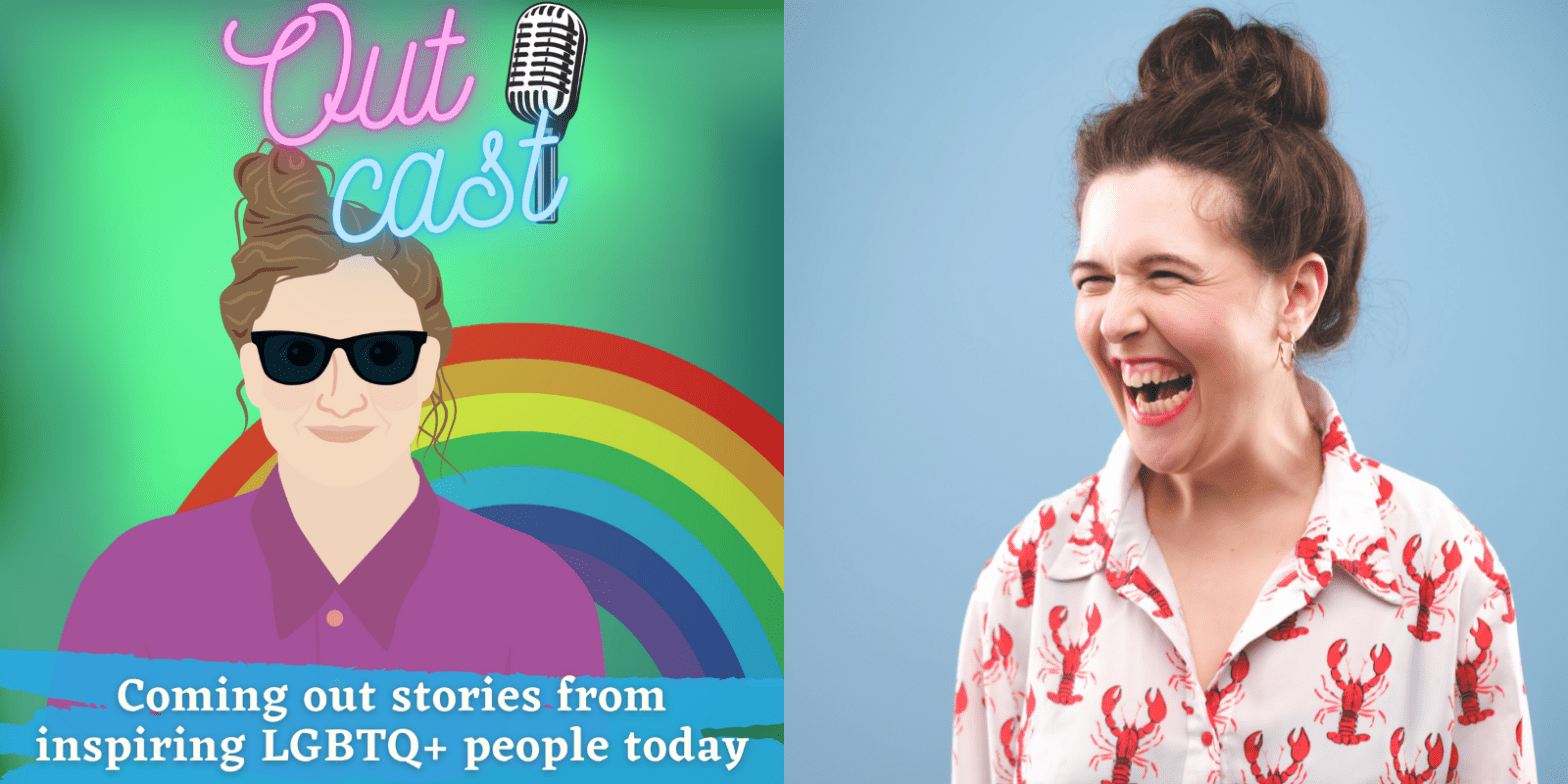


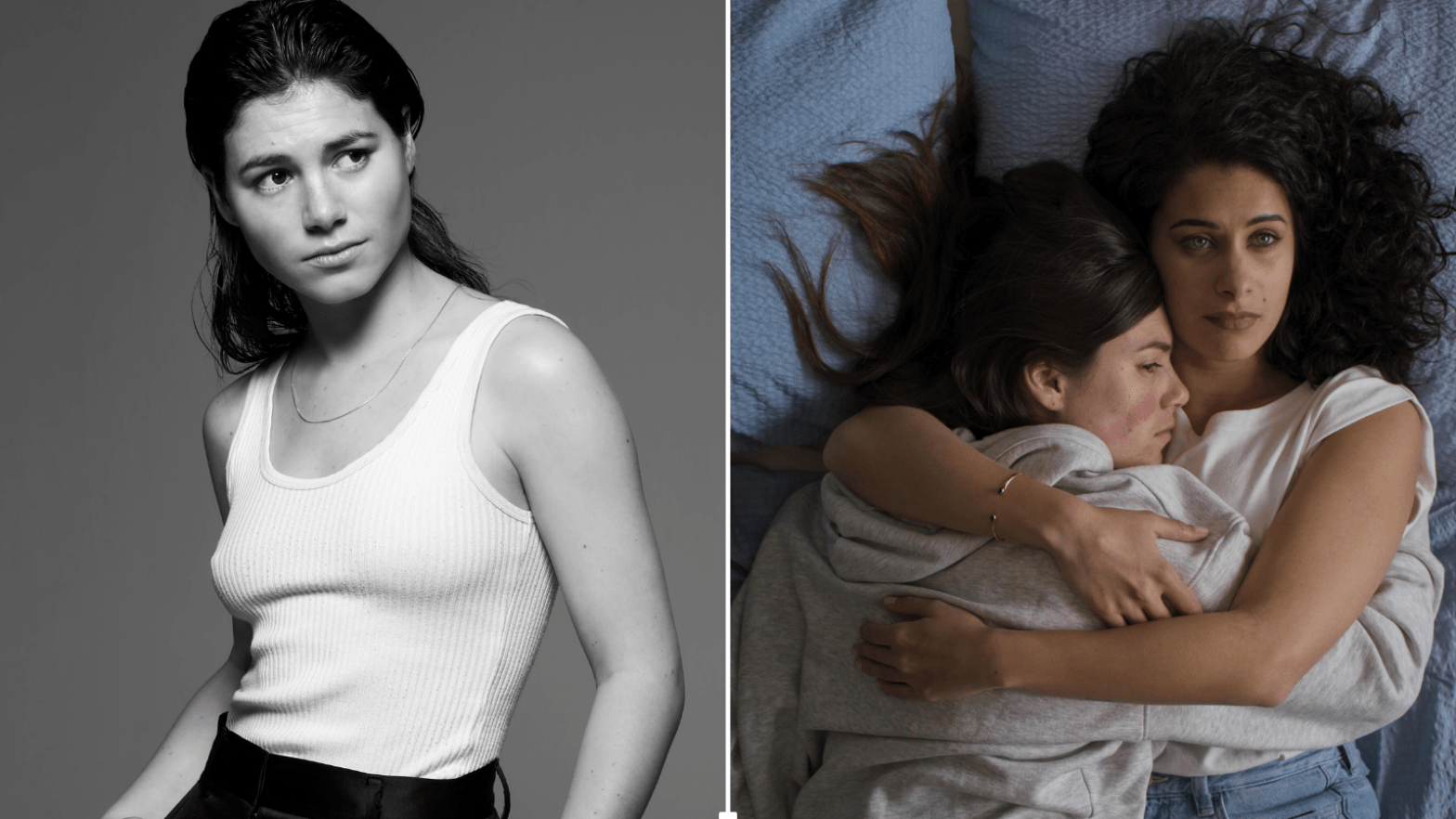

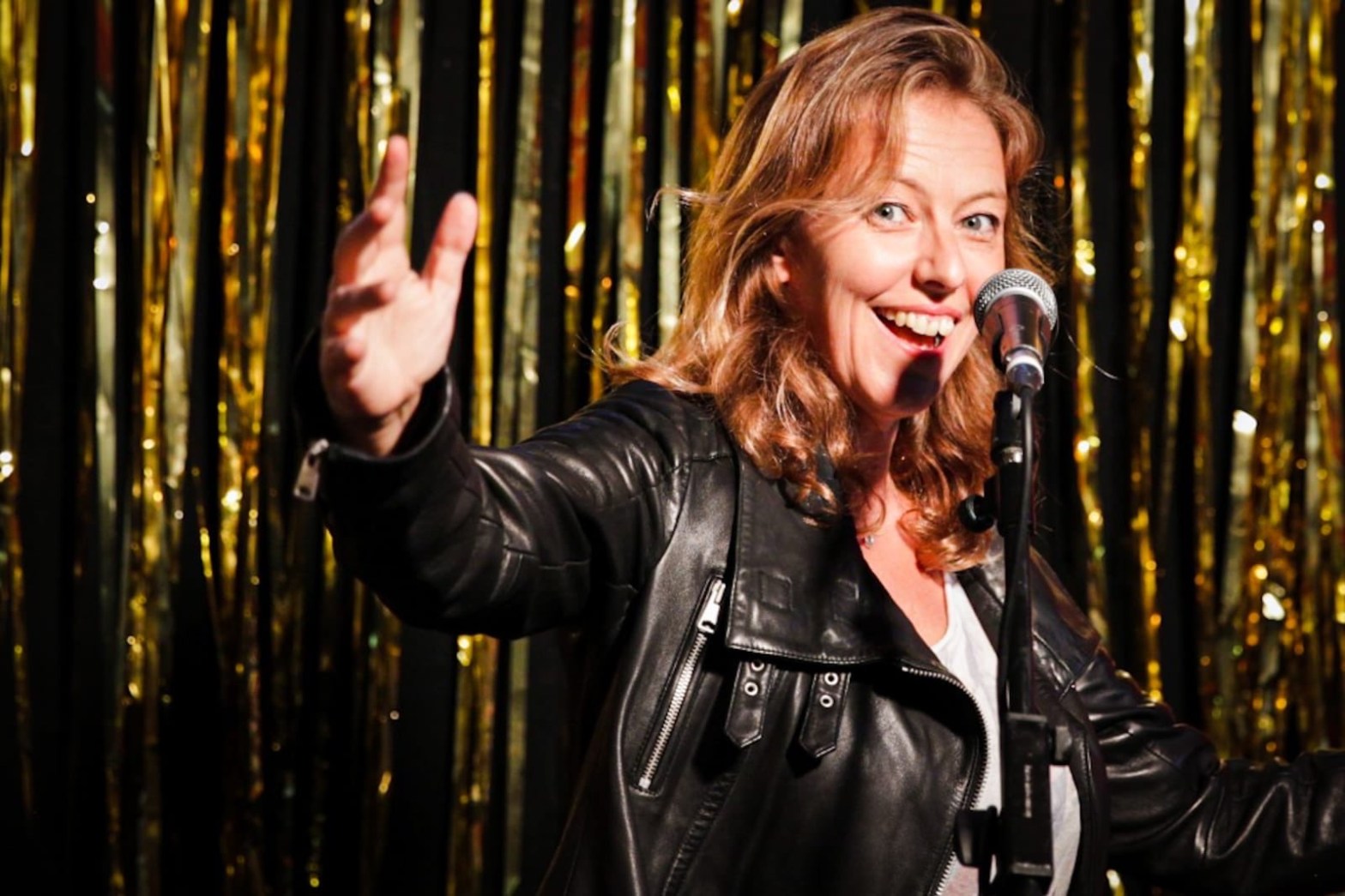

 OUTcast Podcast